Capture and analyze data by photographing a printed spiral grid. Use AI to classify type as cerebellar, essential, or normal. Track symptom changes over time through repeated assessments.
by DENSAN, K.K.★ 0.00 ratingsMedicalFreeData updated 2026-09-23
A magnifying glass allows users to zoom in up to 10 times on objects. It uses the phone's camera for viewing. An integrated light helps in low-light conditions. Users can adjust zoom and brightness settings.
Create customized plans and grocery lists based on dietary preferences, health goals, and lifestyle. Include recipe instructions, nutrition facts, and batch cooking suggestions. Avoid allergens and track protein intake.
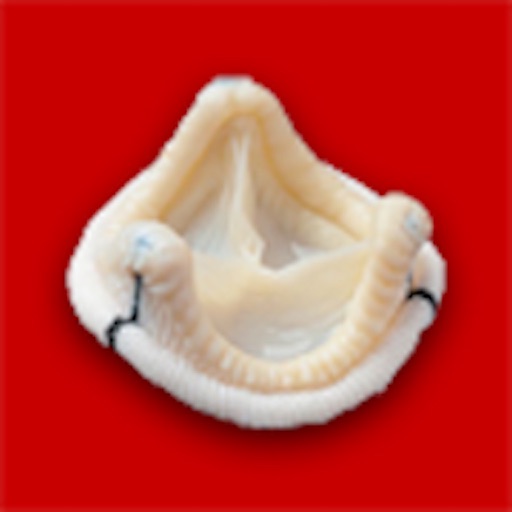
The app supports echocardiography professionals in assessing prosthetic cardiac valve function. It offers guidelines for evaluating implanted valves and selecting valves before implantation based on published research.
OptiExpert™ helps eye care professionals calculate and evaluate myopic, hyperopic, astigmatic, and presbyopic prescriptions. It allows selection of lenses and saves time during fittings.
Access clinical tools for cardiac arrhythmia management. View and analyze ECGs, manage patient records, and reference linked articles. Copy results to share with other apps. Track procedures and review guidelines for electrophysiology practices.
Assessing cardiac structure and function visually.
This medical application shows normal blood flow within the heart using two and three-dimensional echocardiography. It demonstrates standard views with rotatable heart models and video clips for assessing cardiac structure and function.
Access medical information on diseases, tests, and treatments. Store and review personal and family medical histories. Evaluate health data and consult interactive medical content.
Receive notifications for new hospital requests. Review patient data sent by paramedics or nurses. Make diagnosis and treatment decisions based on critical patient information. Respond to requests directly from the mobile device.
Learn to evaluate masses using structured analysis techniques. Identify key features of different lesions for accurate diagnosis. Understand how lab values complement imaging for definitive results.
Track mood and levels with daily journaling and emotion tracking. Access guided breathing exercises and voice-led relaxation sessions. Set reminders for mindfulness practices and sleep routines.
Provide pre- and post-surgery guidance with stretches and exercises. Include estimated surgical outcome risks. Track recovery progress with personalized recommendations. Share information with healthcare providers.