The app performs quantitative assessments for plant diseases on plant organs using photographs. Users can specify healthy tissue colors to calculate the percentage of diseased tissue.
by University of Hawaii★ 2.023 ratingsEducationFreeData updated 2026-11-02
Identify by sound or image. Access detailed species information including calls, habitat, and distribution. View high-quality photos and range maps. Compare similar species. Save sightings and manage a personal bird list.
The app presents microscope slide images of vertebrate histology and mitosis in fish embryo. Text describes tissue functions and locations, covering the four basic tissue types.
The app presents microscope slide images of vertebrate histology and mitosis in fish embryo. It describes tissue functions and locations, serving for review and learning with interactive practice sections.
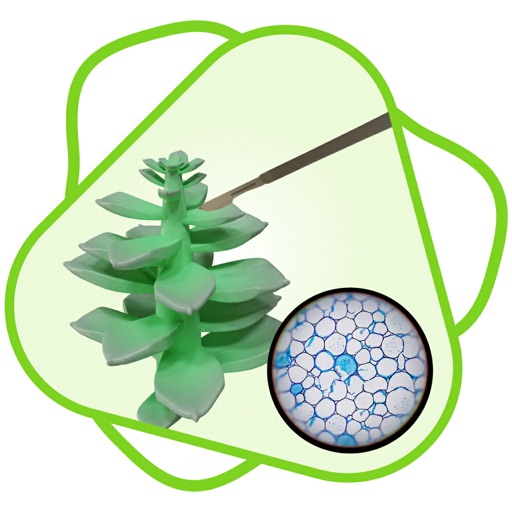
Use a virtual microscope to examine samples and identify tissue types. Cut samples from succulent, onion, celery, and elodea plants. Recognize xylem, phloem, sclerenchyma, collenchyma, parenchyma, apical , stomata, and cuticle.
Identify plants by taking photos. Access a database of over 400,000 species. Diagnose issues and receive instructions. Get personalized growth plans based on type. Use AI to recognize plants and provide tips.
Drive virtual engines on the Island of Sodor. Choose from , Bruno, Percy, and other characters. Build custom tracks and explore different routes. Complete challenges and collect items. Share progress with family.
Plants using a photo. Provide species name, care instructions, and toxicity info. Offer detailed care tips and facts. Sync with other devices for continued learning.
Explore 3D models of DNA, cells, and plant tissues. Perform virtual dissections to reveal labels and definitions. View interactive simulations and animations for biological processes.
Retrieve anatomical structures and clinical data instantly
Explore anatomical structures and clinical details with instant retrieval. Search over 1000 anatomical items including ligaments, tendons, arteries, and organs. Browse by system layers such as skin, skeletal, and circulatory.
Study human with detailed illustrations of organs, bones, and muscles. Explore individual systems like the ear, heart, and eye. Learn Latin medical terminology. Access interactive content for medical education and general knowledge.
Identify plants by snapping photos. Diagnose diseases using image analysis. Learn about species with detailed information. Receive care instructions tailored to each type. Sync with other devices for continued learning.
By snapping photos. Access a database of over 20,000 species. Learn about plant characteristics, care, and habitats. Receive detailed information on growth requirements and environmental impact.