

Apps Like MicroScope Lab for iPhone and iPad
MicroScope Lab screenshots
Ranked alternatives
Showing 141–160 of 1,000 ranked alternatives.





Phlebotomy Practice Test 2026
Thanh Hung
Tests for exams
Tests cover core topics like venipuncture, patient safety, and specimen handling. Users can take interactive quizzes, review explanations, and track progress.


Lab Test Values
Ahmad Nakore
Blood and body fluids online
Access lab information on blood and other body fluids. View normal ranges for hematology, biochemistry, hormones, enzymes, iron profile, urinalysis, fecal tests, body fluid tests, and microbiology. Learn about procedures and results interpretation.


The PocketLab
Myriad Sensors, Inc.
Collect data, analyze results, learn science
Sensors connect to iOS devices via a single button for real-time data streaming. Users can record and view measurements during experiments.



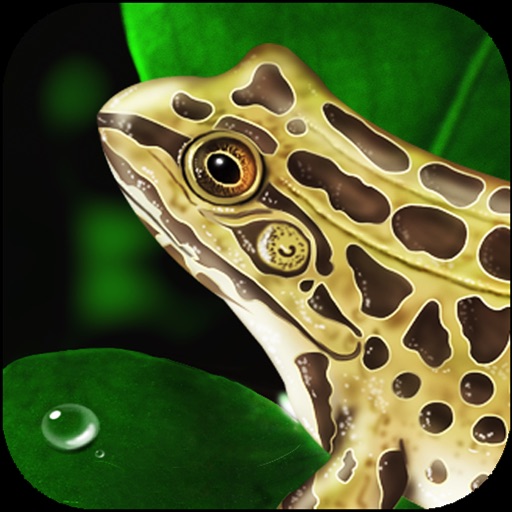
Frog Dissection
GP Strategies Corporation
Virtual dissection for science education.
The app offers a virtual frog dissection experience for middle-school students. It includes 3D images of organs, step-by-step instructions, and an interactive quiz for enhanced learning.

McGraw Hill AR
McGraw-Hill School Education Group
Learn through interactive AR activities
Explore interactive, multisensory lessons using augmented reality to teach Math, Science, Social Studies, and ELA. Complete bite-sized activities that gamify complex concepts. Collaborate in Group Play mode. Access Spanish language options.
LingoPix
Nemo Apps LLC
Learn words with picture flashcards and audio
Build a vocabulary with picture flashcards. Tap images to hear words spoken by a real person. Tap again for slow pronunciation. Rub the empty area to reveal letters as a hint.
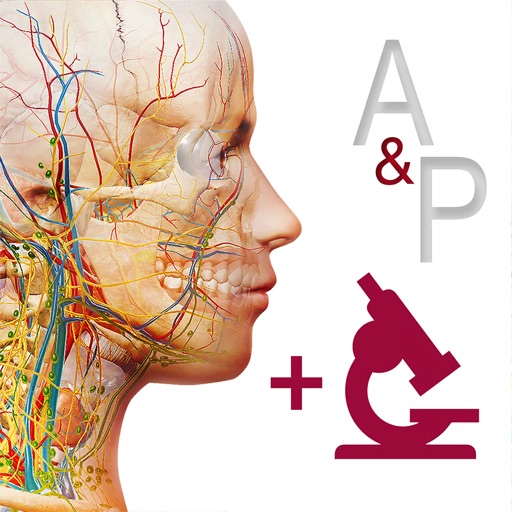
Anatomy & Physiology
Visible Body Apps LLC
Explore 3D models
Explore 3D models to study nerves, vertebrae, and cranial structures. Rotate and zoom to examine anatomical details from multiple angles. Watch animations explaining muscle contractions.
How we rank alternatives
Apps are ranked by functional similarity, category fit, rating confidence, and popularity.