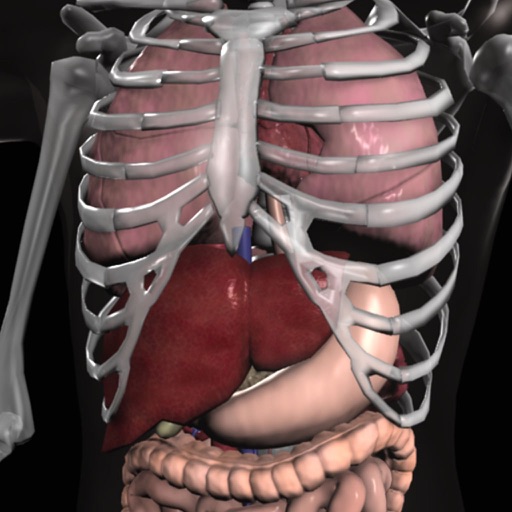
The app provides a learning experience about organs using 3D models, video, audio lectures, quizzes, and text. It covers detailed information on various organs, cells, tissues, and organ systems with diagrams and interactive elements.
Explore 3D models of DNA, cells, and plant tissues. Perform virtual dissections to reveal labels and definitions. View interactive simulations and animations for biological processes.
The app helps individuals with motor speech planning disorders and those on the autism spectrum. It uses video modeling and auditory cues to improve speech motor skills and oral awareness.
Patients can mark pain areas on a 3D model to identify affected muscles. Therapists can view muscle anatomy, referred pain patterns, and associated symptoms. The includes a free version with 12 muscles and an option to purchase the full version.
Allows users to send anatomical images in messages. Features include adding to messages, sending images alone, and using -themed visuals for conversations.
The app provides custom-designed animations of swallowing physiology and impairment based on MBSImP™ research. It visually depicts normal swallowing and various physiologic impairments with controls for playback.
Explore 3D models of the human body with interactive features. Rotate, zoom, and dissect virtual organs. View layered diagrams. Learn about systems and structures through guided lessons and quizzes. Share findings via social media or email.
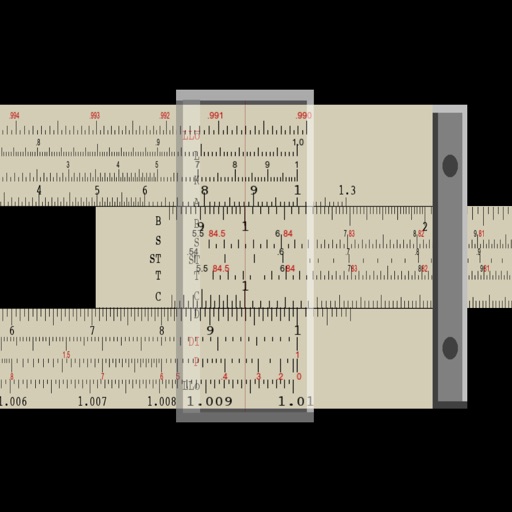
Perform multiplication, division, logarithmic, and trigonometric calculations using a slide rule interface. Adjust scales for precise measurements. Manual operation requires sliding components to compute results.
The app supports orthopedic surgeons and health professionals in managing patients with musculoskeletal disorders. It includes tools for classifications, clinical scores, a goniometer, patient database, and a procedure portfolio.