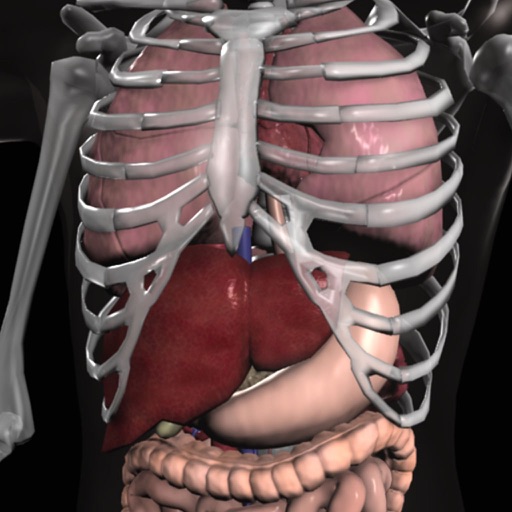
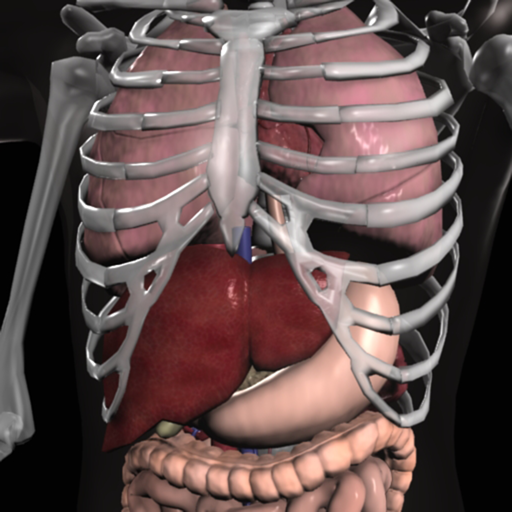
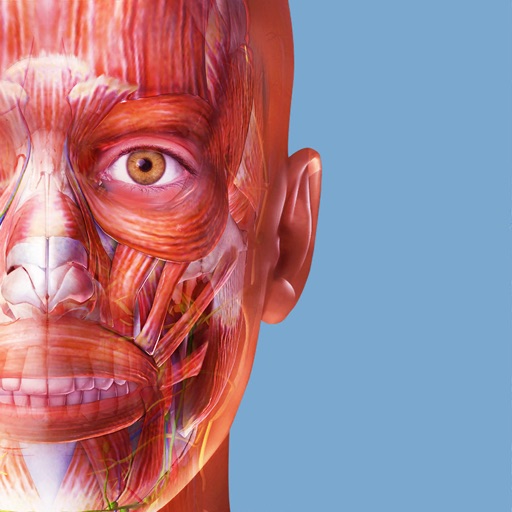
The app provides a learning experience about organs using 3D models, video, audio lectures, quizzes, and text. It covers detailed information on various organs, cells, tissues, and organ systems with diagrams and interactive elements.
by Real Bodywork★ 3.86 ratingsMedical$1.99Data updated 2026-10-27
Explore 3D models of including the brain, heart, and liver. View detailed diagrams of , histology, and location. Access audio lectures, text explanations, and quizzes. Learn about cells, tissues, and organ systems.
Explore with interactive 3D models of male and female bodies. View cadaver and diagnostic images alongside 3D structures. Access key organ views and animations. Purchase additional physiology and dental content.
Take handwritten or typed with digital ink and text tools. Annotate PDFs, textbooks, slides, and images. Record audio and combine with sketches, diagrams, and highlights. Search and organize content for easy retrieval.
Explore detailed 3D models of human . Label and identify over 8,200 structures. Rotate, zoom, and dissect virtual organs. Access interactive quizzes and study modes. View cross-sectional views and anatomical layers. Save and share annotated diagrams.
Explore human anatomy and physiology through interactive 3D models. Rotate, zoom, and dissect virtual organs. Access detailed explanations of systems and diseases. View layered structures and compare healthy vs. pathological states.
Explore 3D human anatomy models with interactive touch controls. Rotate and zoom for detailed views. Perform virtual dissections to reveal muscle layers and anatomical structures. Take 3D location quizzes to test knowledge.
Review histological micrographs to test knowledge and identify structures. Access high-quality images from the University of Michigan Virtual Slide collection. Use 27 sets covering over 550 pages of tissues, organs, and organ systems.
Retrieve anatomical structures and clinical data instantly
Explore anatomical structures and clinical details with instant retrieval. Search over 1000 anatomical items including ligaments, tendons, arteries, and organs. Browse by system layers such as skin, skeletal, and circulatory.
Explore 3D models of the digestive, respiratory, reproductive, and brain systems. View detailed descriptions of each organ. Watch animations of the digestive and respiratory systems. Identify male and female reproductive .
View 3D rotational models of human . Watch muscle action movies. Access 1247 Gray's images. Highlight muscles with a tool. Display Latin names and full descriptions. Available in English, French, Spanish, and German.
Explore 3D anatomical models with interactive rotation and labeling. View detailed cross-sections and layers. Access structured learning modules and quizzes. Save custom study notes and share annotations.
Interactive 3D anatomy models allow users to rotate and view muscle groups and bones. Track workout progress with exercise logs and performance metrics. Access detailed exercise guides with form feedback and biomechanical explanations.
Explore 3D models of the skeletal system and other anatomical structures. Rotate, zoom, and view detailed textures up to 4K resolution. Access free content with in- purchases unlocking additional materials.
Access lectures on radiology topics divided by organ systems or additional subjects like protocol design and 3D imaging. View weekly updates and annual revisions. Download and review content for learning or knowledge updates.
Explore detailed 3D human models with over 11,000 anatomical structures. Study skeletal, muscular, and vascular systems. Use AI-assisted flashcards, study notes, and expert videos. Annotate and label structures. Save and share notes.
Study for AANP or ANCC exams with board-style questions, custom quizzes, and progress tracking. Access limited practice questions and basic metrics in the free version. Track results and answers for improved understanding.
The app provides a detailed guide to musculoskeletal structure, function, and common injuries. It features thousands of 3D models for visualization and learning about anatomy, movement, and pathologies.
Learn anatomical structures through and quizzes. Study with beginner-friendly content. Track progress and set learning goals. Review key terms and definitions. Test knowledge with interactive challenges.
Access video lectures and integrated quizzes for studies. Review a comprehensive concept library. Prepare for USMLE, COMLEX, NBME, MCAT, and MBBS exams. Track progress with subject-specific content and exam simulations.