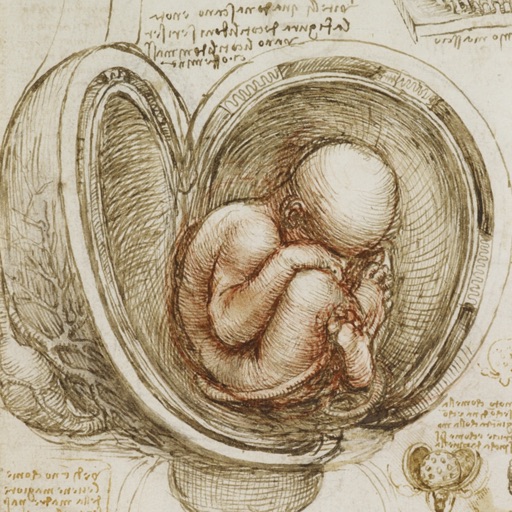
The app presents all 268 pages of Leonardo da Vinci's anatomical drawings from the Royal Collection. It features a beautiful interactive book interface with pinch-zoomable, high-resolution images and a magic spyglass to decode mirror writing.
The app presents normal, bolus loss, dysphagia, and nasal regurgitation views of oral swallowing disorders. Animated illustrations and videos aid learning for students and patients.
Datasheet search allows users to find electronic components. Resistor color codes and markings are decoded for 4, 5, and 6 band codes. Electronic symbols are displayed according to IEC 60617, IEEE 315, and GOST standards.
Patients can mark pain areas on a 3D model to identify affected muscles. Therapists can view muscle anatomy, referred pain patterns, and associated symptoms. The includes a free version with 12 muscles and an option to purchase the full version.
View 3D models of human and pathologies. Rotate, zoom, and examine structures from any angle. Explore detailed digestive system models and rare diseases. Access medically accurate information for learning and reference.
View detailed anatomical images with labeled structures. Access descriptions of anatomical features. Explore correlations for real-world applications. Study using a regional approach aligned with textbooks.
The app provides gynecologic surgeons with an interactive three-dimensional tool to understand pelvic floor anatomy. This application aims to help surgeons better evaluate surgical techniques for pelvic floor repair.
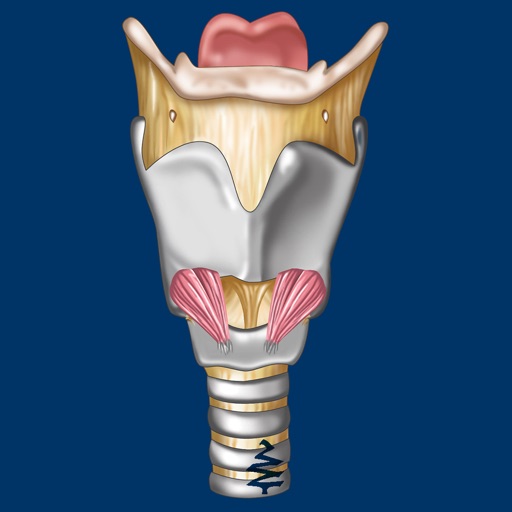
The app presents anatomical illustrations of the larynx with multiple views and identification features. It includes animated diagrams and a drawing whiteboard for educational purposes.
Explore detailed 3D anatomical models of the human body. Rotate, zoom, and dissect virtual organs. Access interactive tutorials and quizzes. Annotate and save notes. Share models with colleagues or students. Export 3D views for presentations.