Apps Like Basic Electronic Calculator for iPhone and iPad
Calculate voltage, current, resistance, and power
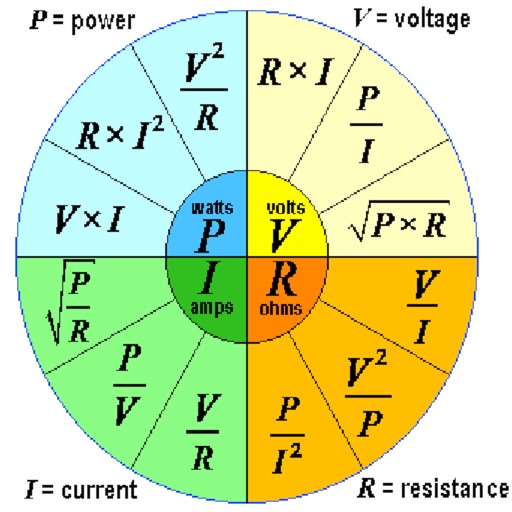
Calculate voltage, current, resistance, or electric power by entering any two values. Convert results between normal and scientific notation. Display calculated values clearly.
by Gergely Nagy★ 3.52 ratingsUtilitiesFreeData updated 2026-09-08
Calculate RF parameters such as impedance, wavelength, return loss, and signal delay. Convert between related values. Compare RF cable and assembly configurations. Access technical specs like insertion loss and power rating.
Calculate subnets and IP addresses using CIDR notation. Determine class, private range status, and IP details. View network ranges and reserved addresses. Switch between IPv4 and IPv6 modes.
Convert and scale recipes by adjusting serving sizes and ingredient amounts. Change units of measurement including fractions. Calculate equivalents for cups, grams, and ounces. Save and share modified recipes.
Convert numbers between decimal, binary, hexadecimal,
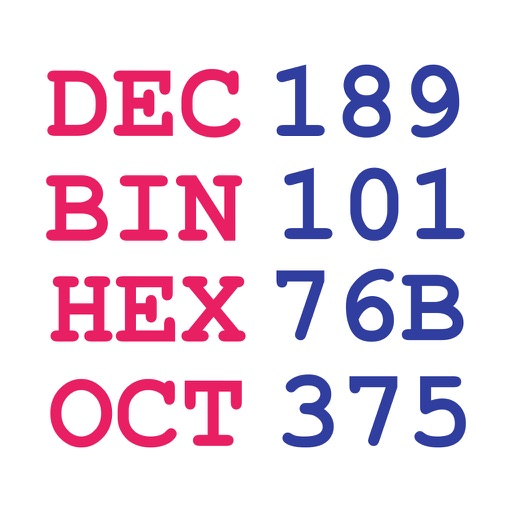
Convert numbers between decimal, binary, hexadecimal, and octal systems. Input integers from 0 to 2^31-1. Perform conversions in both directions. Display results in selected number formats.
Calculate gas piping system sizes for low-pressure applications. Input total flow, pressure drop, diameter, or velocity. Output exact and nominal diameters, calculated velocity, and total equivalent length.
The app tracks money spent on fuel and car mileage changes. It allows users to input values in local units and converts them to preferred units, calculating costs without a calculator.
The app calculates thermodynamic properties for 40 pure fluids using 56 equations of state. It can display results in lists, tables, or plots, and allows unit selection.
Calculate , suspension cable, and civil parameters with 58 specialized tools. Input values and units to get automatic results. Switch between metric and imperial units.
The app allows users to type calculations line by line like a text editor. Results update instantly as values or formulas change, making calculations visible and structured.
Calculate differences by selecting start and end dates or entering them directly. Display results in years, months, days, hours, minutes, and seconds. Add time intervals to a start to determine a new .