Explore molecular structures in 3D with intuitive gestures and customizable visualizations.
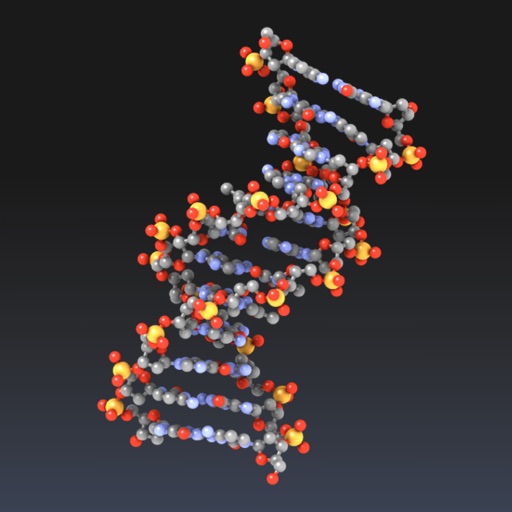
The app allows users to view and manipulate 3D molecular structures. It supports multiple visualization modes and file sharing options for molecular data.
by Brad Larson★ 3.6168 ratingsEducationFreeData updated 2026-09-09
Astronomical objects and compare sizes from galaxies to atoms. Use gestures to zoom in and out, to microscopic levels or cosmic distances. View detailed comparisons and understand relative sizes visually.
View a 3D and rotate it using touch gestures. Zoom in and out with a pinch. Search for a country to navigate to it. Tap a country to display Wikipedia information.
Users receive daily reminder notifications for 1-4 weeks to complete questionnaires and watch videos. They provide feedback on mood and cognition throughout the day. Data is collected for research purposes over a two-week period.
Play a multitouch game where each finger controls a different colored fire. Navigate infinite arcade and frenetic modes. Solve 11 puzzle levels. Sync with Game Center and OpenFeint. Supports iPad and Retina displays.
Learn organic chemistry by identifying and studying 25+ and 300+ compounds. Practice with multiple modes and customize study sets. View detailed structures and properties of each group.
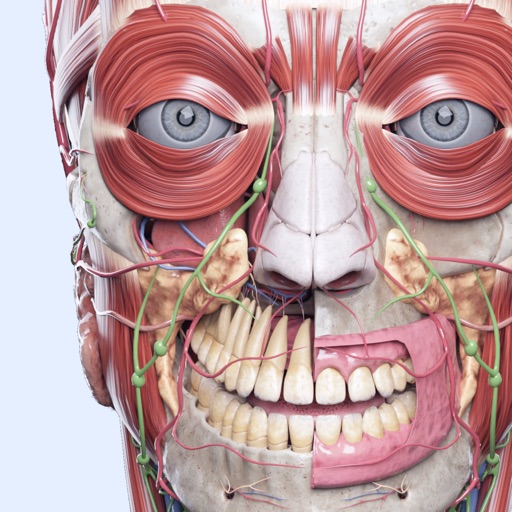
View 3D models of human and pathologies. Rotate, zoom, and examine structures from any angle. Explore detailed digestive system models and rare diseases. Access medically accurate information for learning and reference.
Learn molecular biology through a game where players collect amino acids, ATP, and DNA sequences. Capture DNA to discover genes and synthesize proteins in a virtual lab. Combine proteins to build complex structures.
Explore molecular structures and chemical reactions through interactive simulations. Conduct virtual experiments and play games. Learn about molecules and reactions with guided activities. Supplement hands-on experiments with digital learning tools.
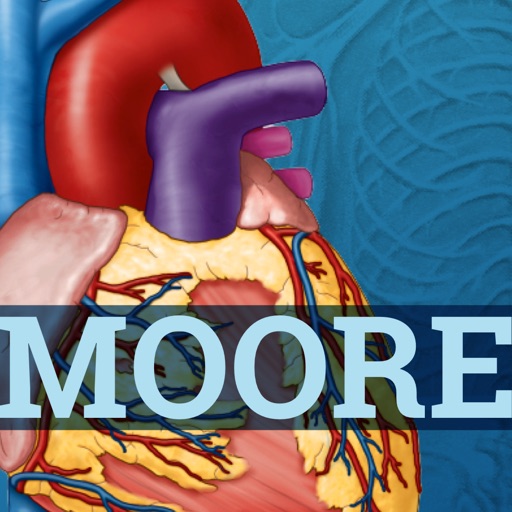
View detailed anatomical images with labeled structures. Access descriptions of anatomical features. Explore correlations for real-world applications. Study using a regional approach aligned with textbooks.
HD offers a tabbed browser for saving documents offline. It includes a file manager with document viewers for iOS-supported types. Features a powerful photo browser, advanced PDF reader, and full Dropbox integration.
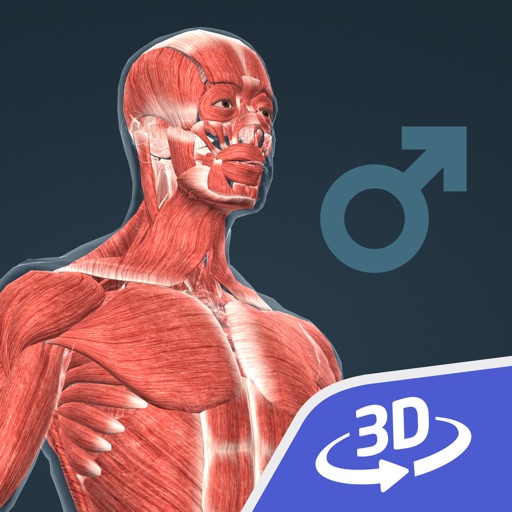
Explore the with interactive 3D models of major organ systems. Navigate through detailed anatomical structures. Learn about system functions and relationships. Available in multiple languages.
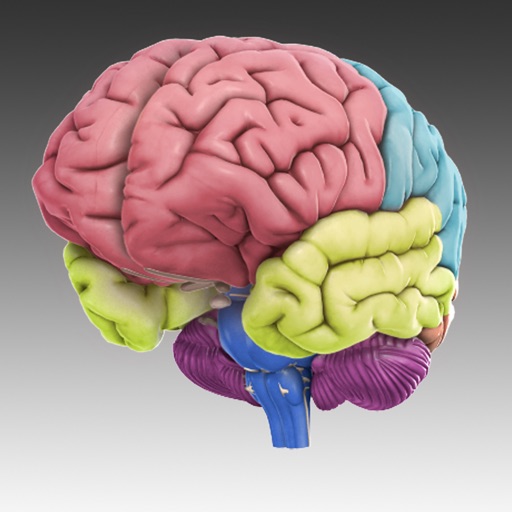
The app displays 29 interactive brain structures that users can rotate and zoom. It provides information on functions, disorders, brain damage, case studies, and research links for each structure.
Calculate imbalances using Stewart's physical-chemical approach. Input blood gas values to determine strong ion difference, total CO2, and albumin. Generate clinical recommendations for correction. Track patient progress over time.