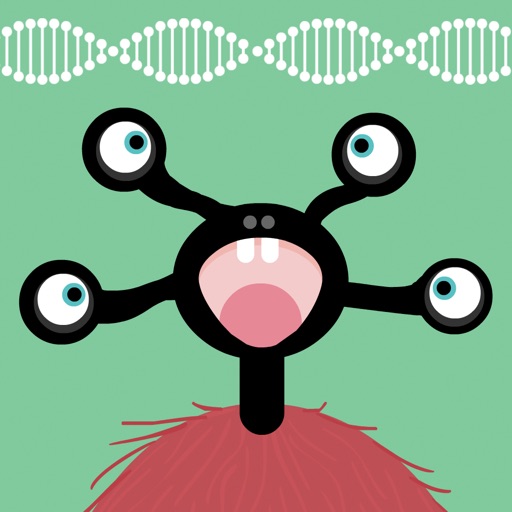
Create custom monsters by adjusting DNA traits. Transform designs in real-time. Feed, dance, and interact with creations. Explore unique behaviors and appearances. Track monster progress and characteristics.
Access activities with no ads. Complete interactive games that develop reading, math, and critical thinking skills. Track progress and set goals. Sync across devices for continued .
Solve puzzles to develop reasoning, memory, and problem-solving skills. Navigate through 12 castles with characters like crocodiles and ghosts. Complete over 200 unique challenges. Track progress and unlock new levels.
Explore structures with interactive 3D models of plant and animal cells. Learn about organelles through animated illustrations and comparative details. Understand hierarchy and its connection to tissues and human organ systems.
Institute of Electrical & Electronic Engineers Inc
Explore , drones, and self-driving cars
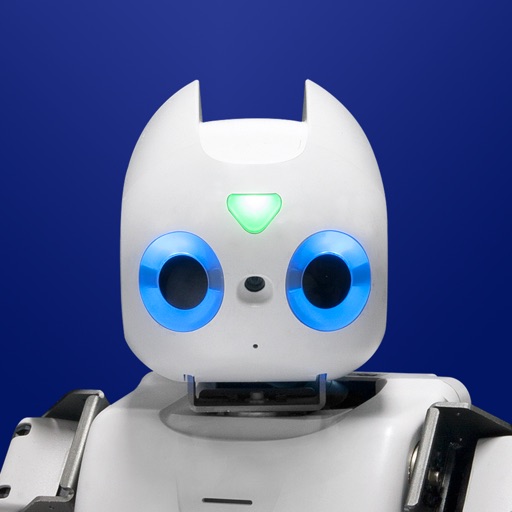
Explore detailed information about , humanoids, drones, and self-driving cars. View thousands of photos and videos. Interact with educational content about robot functionality and impact.
The app displays gene expression levels in mouse and human immune cells. Users can search for genes to view expression data as a heatmap barcode or bar chart, with options to toggle datasets and axis types.
Explore a dinosaur-themed arena to battle opponents and advance through levels. Use strategic thinking and items to defeat enemies and unlock new mechas. Play in Adventure Mode to progress through levels or Battle Mode for random challenges.
The app provides a knowledge-base for the evolutionary timescale of life. It allows exploration of divergence times among organisms using published molecular time estimates and computes summary statistics.
Explore the with interactive 3D models. Rotate and zoom organs, watch systems like the heart and lungs function. Tap to learn about anatomy, biology, and processes. View detailed diagrams and compare parts.
The app provides a visual guide to the microcosm, exploring human cells and molecules. It covers topics such as mitosis, transcription, translation, cell parts, and DNA replication.