Explore interactive stories about pathogens and diseases using touch gestures or a Merge Cube Device. View 3D models of pathogens, learn about their structure and function, and engage with educational content through augmented reality.
by National Institute of Allergy and Infectious Diseases★ 5.015 ratingsEducationFreeData updated 2026-09-21
Track and view over 5000 spacecraft in real-time using augmented reality. Identify satellites, the International Space Station, and Starlink satellites. Explore detailed graphics with atmospheric effects and city lights.
Create and share augmented reality experiences without coding. Scan objects or upload images to trigger interactive 3D content. Design AR scenes, view real-time previews, and share creations via links or social media.
Access imagery with character symbols for learning. Take multiple choice quizzes and daily spaced repetition quizzes. Subscribe for unlimited access to videos and quizzes. with visual mnemonics and spaced repetition techniques.
Explore historical events through augmented reality monuments. View layered stories and artifacts in real-world locations. Contribute to collective memory by adding personal narratives and historical insights.
Explore 3D science simulations by touching, holding, and interacting with virtual objects. Investigate a smoking volcano, examine a great white shark, explore the solar system, and dissect a frog. Requires a Cube and smartphone or tablet.
Explore hunts, learn through AR, share discoveries
Create interactive scavenger hunts with augmented reality. Add waypoints, design printable cards, and share hunts between devices. Track progress and explore 3D graphics indoors.
Clinicians can build custom differentials across dermatology, internal medicine, and pediatrics by considering patient history, travel, and allergies. Share visual references with patients to explain symptoms and treatment options.
Access museum information including current and upcoming exhibitions. Explore audio tours of the collection and special exhibitions. Experience 360° virtual tours. Use augmented reality to learn about Makart’s WHO IS WHO.
Use the phone's camera to capture skin concerns and receive personalized information about symptoms. View symptom matches and prepare for medical consultations while maintaining privacy.
Create 3D paintings to classify real coral reefs and contribute to ocean conservation. Explore underwater environments with marine animals. Learn about coral classification and ocean ecosystems through interactive activities.
Explore interactive stories featuring characters from Zach King's -Up through augmented reality. Use the camera to bring characters into real-world environments. Follow the book's narrative and interact with animated characters.
The app displays gene expression levels in mouse and human immune cells. Users can search for genes to view expression data as a heatmap barcode or bar chart, with options to toggle datasets and axis types.
The app provides up-to-date health information, including disease counts, videos, and podcasts. Users can organize their home screen to prioritize important content and access various CDC journals and web content.
Explore the human through interactive 3D models. Rotate, zoom, and dissect layers to view anatomy. Learn about functions and blood flow. Access detailed explanations and clinical insights. Share findings via social media or email.
Explore the structure and function of the through interactive 3D models. Learn about IgAN and C3 glomerulopathy with detailed explanations. Track symptoms and progress with personalized notes.
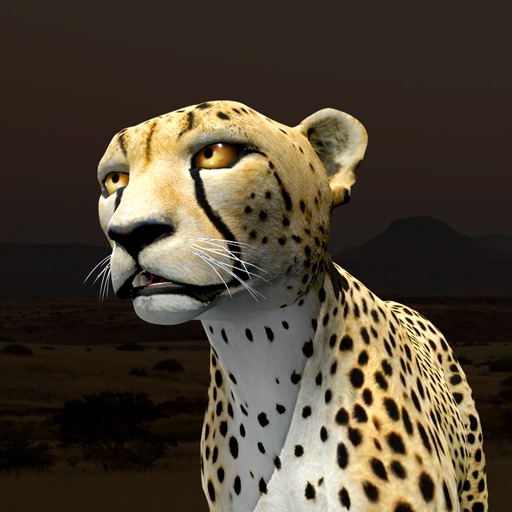
Explore interactive simulations using augmented reality. Navigate environments where cheetahs react to movement and proximity. Learn about conservation efforts and threats facing cheetahs. Access educational content about behavior and habitat.
Learn about recessive genetic diseases and their prevalence in different ethnic groups, including the Ashkenazi Jewish population. Explore cultural and health-related information. Access educational content on heredity and genetic conditions.