Explore interactive stories about pathogens and diseases using touch gestures or a Merge Cube Device. View 3D models of pathogens, learn about their structure and function, and engage with educational content through augmented reality.
by National Institute of Allergy and Infectious Diseases★ 5.015 ratingsEducationFreeData updated 2026-09-21
Explore educational content through interactive car customization and puzzle-solving. Choose from 7 vehicles and locations. Customize cars, solve puzzles to arrange environments, and engage with animal characters.
FITNESS TRAINING GLOBAL ONE MEMBER COMPANY LIMITED
Sketch with AR and AI
AR – Project sketches onto real-world surfaces using augmented reality. objects for precise outlines. AI-powered tools suggest color palettes and brush strokes. Edit layers, adjust opacity, and apply effects.
Explore celestial objects with an augmented reality interface. Point your device at the sky to view stars, planets, and constellations. Learn about astronomical data and history. Save and share observations. Sync with real-time sky maps.
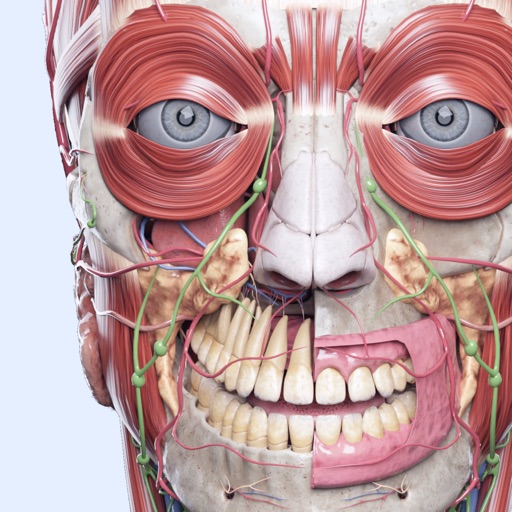
View 3D models of human and pathologies. Rotate, zoom, and examine structures from any angle. Explore detailed digestive system models and rare diseases. Access medically accurate information for learning and reference.
Explore chemical elements with an interactive table featuring 3D models and offline access. Calculate molar mass and solve reactions. Instantly access explanations and customize the table for personalized learning.
Filter genes and identify clinically actionable variants
Filter and prioritize genes associated with complex diseases. Identify clinically actionable variants. Check tissue expression, functional impact, pharmacogenomics data, and drug targets. Provide clinical decision support for gene-related conditions.
Learn the alphabet through 3D animated figures and interactive play. Explore augmented reality environments to engage with educational content. Complete lessons and track progress within the .
Explore augmented reality exhibits to uncover hidden histories of marginalized communities. Navigate interactive stories within a physical location. Learn about silenced struggles for freedom through audio and visual content.
View 3D models, explore physiological systems, and examine medical conditions and treatments. Store up to 5 models in a personal library. Access additional models and features with a paid upgrade.
Explore elements through 3D models and augmented reality. Tap to rotate elements and view their properties. Access detailed information about atomic structure and chemical behavior. Sync with educational resources for in-depth learning.
Identify plants by snapping photos. Diagnose diseases using image analysis. Learn about species with detailed information. Receive care instructions tailored to each type. Sync with other devices for continued learning.
Navigate the Complex using built-in navigation. Select a guided tour or audio track for exhibits. Access additional materials and facts about displays. Follow a customizable route to explore exhibitions.
Access global health data, including The World Factbook, CDC travel health information, and USAID field guides. Search PubMed for medical research. Stay updated with News from CDC, Red Cross, and UN sources.
Explore 3D radiographic anatomy with interactive models. View detailed X-ray images in augmented reality. Access over 135 radiographic exams and correlated anatomy. Annotate and compare images for educational or exam preparation.
Get updates, search clinics, contact health departments
Receive public health alerts about diseases. Search for clinics and healthcare facilities in your area. Contact local public health departments directly. Find health events and continuing education opportunities.
Teach toddlers to assemble puzzles with 2 pieces per cube face. Complete 12 levels to develop logic and spatial reasoning. Features include colorful animals, calming pastel colors, and background music.
Explore patient cases to diagnose -related infections. Select symptoms and test results to determine likely pathogens. Choose appropriate treatments based on guidelines. Review explanations and treatment rationale after each case.