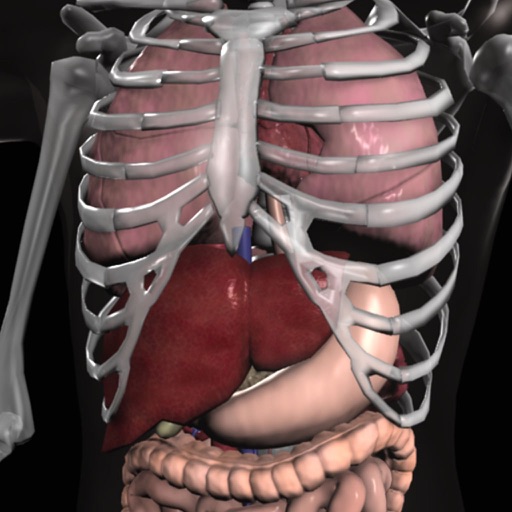
Study human with detailed illustrations of organs, bones, and muscles. Explore individual systems like the ear, heart, and eye. Learn Latin medical terminology. Access interactive content for medical education and general knowledge.
by Horea Bucerzan★ 4.4303 ratingsEducationFreeData updated 2026-09-20
Learn fundamentals including physics and device operation. Follow step-by-step guides for vascular access and emergency protocols like eFAST and BLUE. Access diagnostic tools for heart, lungs, abdomen, brain, and vessels.
Teach children to identify and treat common illnesses. Use interactive tools to administer first aid, clean teeth, and monitor symptoms. Learn about body parts and basic medical procedures through engaging gameplay.
Learn sonography with interactive cases and pathologies. Practice on an expanding library of patients. Follow scan tutorials for proper probe movements. Label anatomy with colored structures for clarity. Simulate scans for training.
Explore the with interactive lessons on skeletal, muscular, circulatory, respiratory, digestive, urinary, nervous, endocrine, reproductive, lymphatic, and senses . Complete each system to learn anatomy. Add new periodically.
Explore detailed 3D models of skeletal, blood, muscular, nervous systems, and male and female organs. Use virtual dissection to identify organ positions. Access over 500 articles for in-depth study.
Explore interactive exhibits and activities in a virtual . Navigate rooms with guided tours. Play games like digging for dinosaur bones, jousting, and space exploration. Learn about history and science through fun challenges.
Explore detailed 3D skeletal and muscular system models. Rotate, zoom, and dissect layers to view internal structures. Access a drawing gallery with anatomical references. Purchase additional muscular system content.
Explore 3D models of the with interactive rotation and dissection features. Complete clinical cases and quizzes to test knowledge. Access over 30,000 words of learning material. Subscribe for full content access.
Explore 3D human models with interactive touchscreen navigation. Rotate, zoom, and view over 40 anatomical poses. Access clear definitions and labels for accurate learning. Share anatomical views for educational or medical communication.
Learn to with step-by-step tutorials covering gesture, anatomy, facial expressions, and techniques. Practice with different tools and styles. Track progress and revisit lessons for improvement.
Explore the human through interactive 3D models. Rotate, zoom, and dissect layers to view anatomy. Learn about functions and blood flow. Access detailed explanations and clinical insights. Share findings via social media or email.
Explore human through interactive 3D models. Point device at AR or demo marker to view skeletal, respiratory, digestive, circulatory, and urinary systems. Identify body parts and learn about their functions.
View 3D models of diseased hearts affected by Ischemic disease and Atrial Fibrillation. Rotate and examine detailed anatomical structures. Access real images and videos of donated organs. about conditions through interactive, realistic visuals.
The app provides a learning experience about organs using 3D models, video, audio lectures, quizzes, and text. It covers detailed information on various organs, cells, tissues, and organ systems with diagrams and interactive elements.
Create and customize using joints, bones, and muscles. Design for tasks like running, jumping, climbing, and flying. Share simulation saves and creature designs with friends. Watch evolve and improve through neural networks and algorithms.
The app presents 80 illustrated questions about human shoulder anatomy, covering bones, ligaments, muscles, nerves, arteries, and veins. Users answer multiple-choice questions and receive points based on the number of attempts.