Apps Like Professor Maxwell’s 4D Galaxy for iPhone and iPad
Explore space with interactive VR projects
Explore interactive 3D models of the solar system and Earth's layers. Build a sundial and walk on the moon. Use augmented reality to visualize space concepts. Access 20 science projects with guided instructions.
by SpiceBox Product Development Ltd.★ 2.633 ratingsEducationFreeData updated 2026-09-17
Books Lightning Mode, which allows reading one sentence at a time. Engage , an AI tutor, to get explanations, ask questions, and explore counter-arguments. Access a classics catalog tailored conversations based on personal interests.
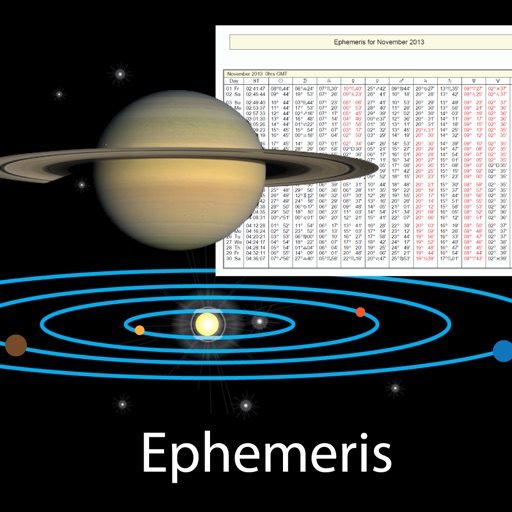
View celestial events like sunrise and sunset times, planetary positions, and declination data. Adjust date and time to check ephemeris for the Sun, Moon, and planets. Access physical properties of celestial bodies including distance and mass.
Explore historical battle scenes using augmented reality. View animated sequences of the 1836 battle. Navigate the battlefield and interact with historical figures. Access content created with input from historians.
Learn about planets, rockets, and rovers with interactive quizzes, detailed descriptions, and educational content. Explore solar system facts, physics concepts, and engineering principles. Track progress with built-in assessments and visual aids.
Explore high-resolution images of galaxies, nebulae, and celestial objects captured by the Telescope. View the "Picture of the Week" and access real-time ESA/ RSS updates. Zoom in on detailed cosmic imagery and save or share favorite images.
Explore maps, layers, and features with interactive . Create and save maps. Display vector and raster data. Work with feature layers and geodatabases. Add, delete, and edit features and attachments. View code for each sample.
Use augmented reality to draw on any surface. Trace outlines, adjust colors, and add textures. Save and share drawings. Access tutorials for beginners. Export in various formats.
View celestial objects like planets, galaxies, and stars visible from your location. Filter viewing lists by observation time and object type. Generate lists for specific locations. Identify objects in the night sky using geographic data.
Learn and test knowledge of concepts. Answer multiple-choice questions on electric fields, magnetic forces, and circuit theory. Track progress with detailed performance reports. Access interactive diagrams and formulas for better understanding.
Learn to calculate the day of the week for any between 1800 and 2200 using the Doomsday Algorithm. Track progress with personal times. Compare results with calculated values. Save custom mnemonics for special dates in the Doomsday List.