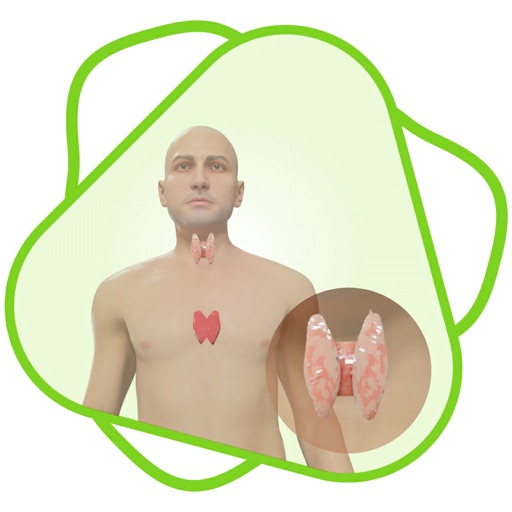
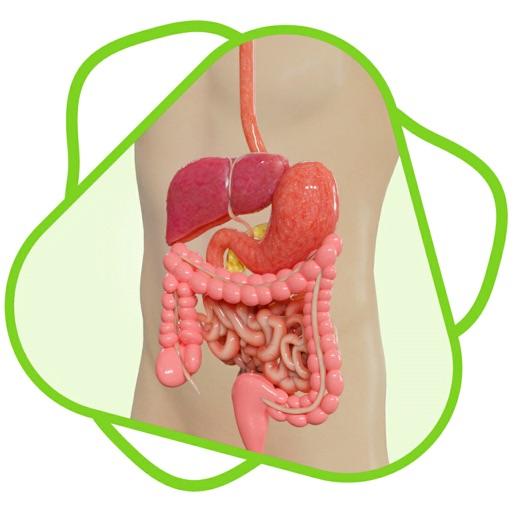
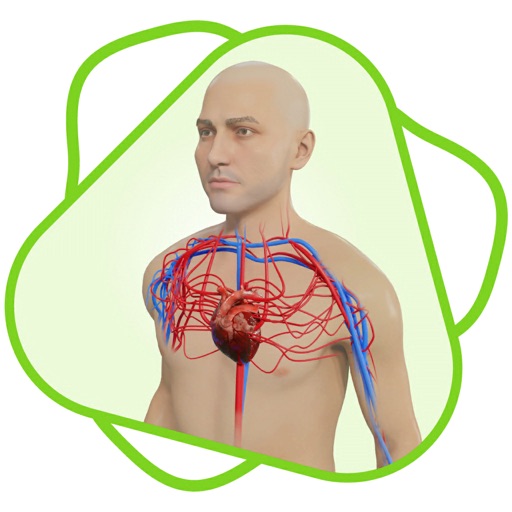
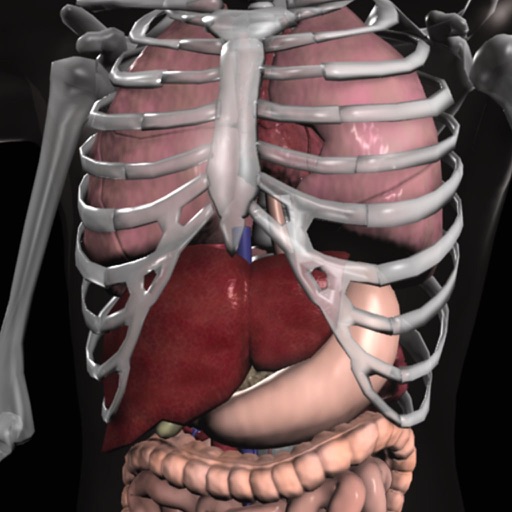
A medical simulation allows students to identify organs on a mannequin. Students select and locate organs, match them to symptoms, and determine their functions. The provides feedback on interventions for simulated conditions.
View 3D models of diseased hearts affected by Ischemic disease and Atrial Fibrillation. Rotate and examine detailed anatomical structures. Access real images and videos of donated organs. about conditions through interactive, realistic visuals.
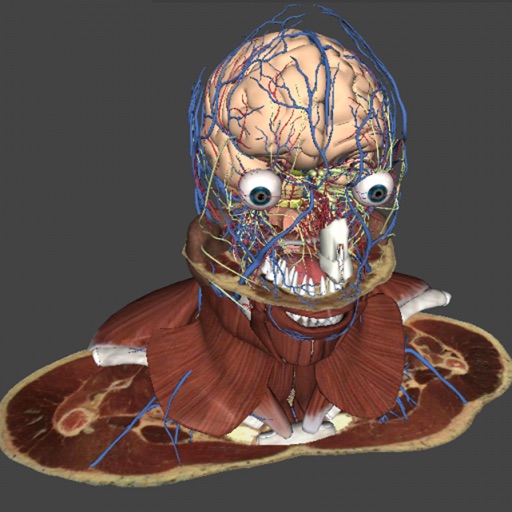
Explore 3D anatomical models with interactive rotation and labeling. View detailed cross-sections and layers. Access structured learning modules and quizzes. Save custom study notes and share annotations.
Explore structures with interactive 3D models of plant and animal cells. Learn about organelles through animated illustrations and comparative details. Understand hierarchy and its connection to tissues and human organ systems.
Upload blood test results to analyze biomarker levels and identify potential risks. Compare results against functional ranges to assess organ function and overall .
Explore human through interactive 3D models. Point device at AR or demo marker to view skeletal, respiratory, digestive, circulatory, and urinary systems. Identify body parts and learn about their functions.
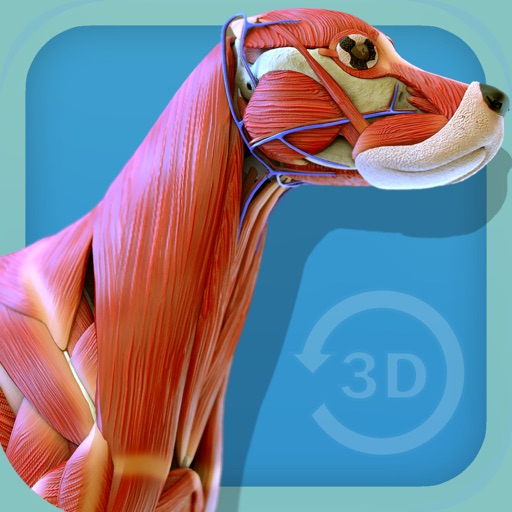
View 3D rotational models of human . Watch muscle action movies. Access 1247 Gray's images. Highlight muscles with a tool. Display Latin names and full descriptions. Available in English, French, Spanish, and German.
The app provides a learning experience about organs using 3D models, video, audio lectures, quizzes, and text. It covers detailed information on various organs, cells, tissues, and organ systems with diagrams and interactive elements.
The app explores human bones, bone healing, and cells within organs. It is an adaptation of the original Powers of Minus Ten for the show Scientastic!.