Learn anatomical structures through interactive modes. Choose It mode highlights structures for identification with multiple-choice questions. Touch It mode requires locating and touching specific structures on anatomical images.
Access interactive cross-sectional imaging datasets for cardiac . View scrollable images with over 20,000 annotations. Explore clinically relevant for medical students, residents, and cardiovascular imagers.
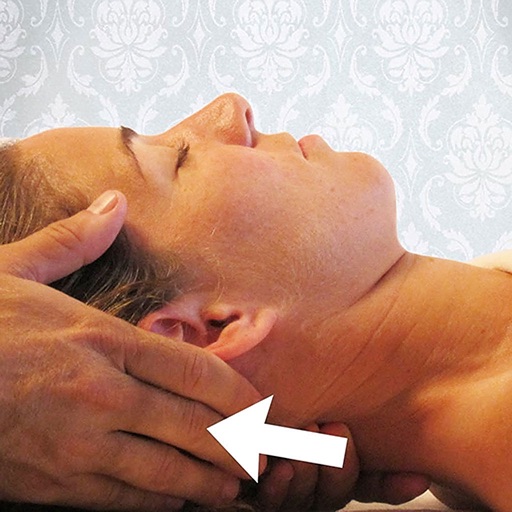
Learn with video demonstrations, still images, and text descriptions. Browse by body area or alphabetically. Access 13 full routines ranging from 10 to 60 minutes. Practice for specific conditions like back pain or athlete recovery.
Explore the with interactive 3D models. Rotate and zoom organs, watch systems like the heart and lungs function. Tap to learn about anatomy, biology, and processes. View detailed diagrams and compare parts.
Learn sonography with interactive cases and pathologies. Practice on an expanding library of patients. Follow scan tutorials for proper probe movements. Label anatomy with colored structures for clarity. Simulate scans for training.
Study with interactive meridian pathways and point locations. Explore a customizable anatomy model with muscles, bones, and organs. Edit and save detailed descriptions of points, meridians, and models. Search by point name, function, or indication.
Identify and palpate 91 essential muscles with detailed visual guides. Learn precise palpation techniques through clear instructions. Build confidence by practicing muscle identification and location.
Tool allows users to input tumor size, lymph node involvement, and metastasis data to determine stage groupings for non–small cell and small cell cancers using the 9th Edition TNM Classification. Results are displayed based on clinical guidelines.
Access detailed diagrams and clear explanations for science topics. Watch animated, narrated video tutorials with adjustable playback speed. Take notes, highlight key points, and save progress. Sync across devices for continued learning.
Explore and isolate individual body systems. Dive into the bloodstream, lungs, or heart. View 3D models without augmented reality. Switch between 13 languages. Adjust design settings and fix bugs for smoother performance.
Tests cover core topics like venipuncture, patient safety, and specimen handling. Users can take interactive quizzes, review explanations, and track progress.