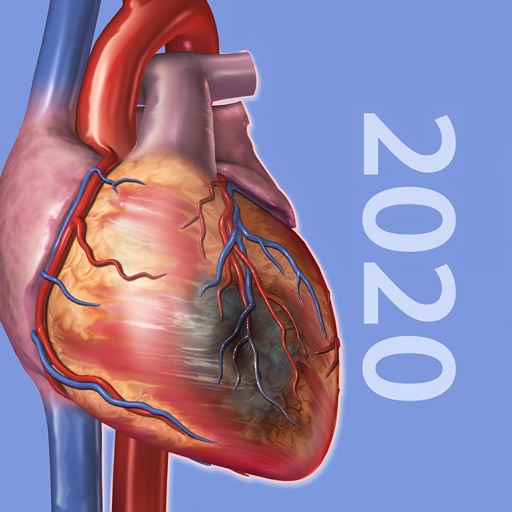
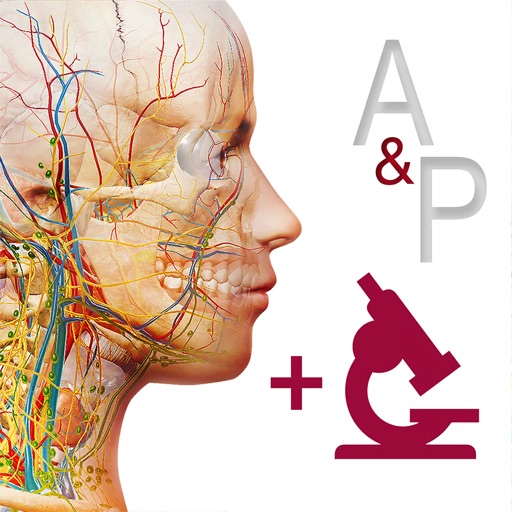
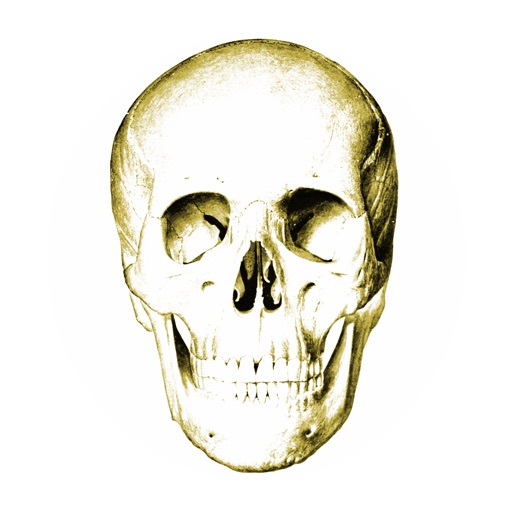
Explore the body with 3D models of the skeleton, organs, and muscles. Use voice search to identify body parts. Access detailed information about the skull and bones. Take quizzes on skeletal, organ, and muscular systems.
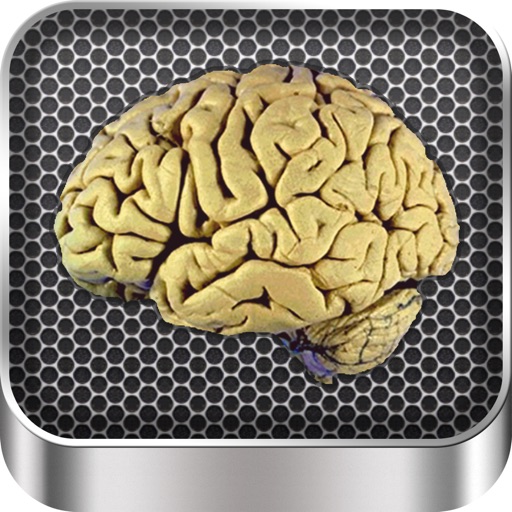
Explore 3D models of the digestive, respiratory, reproductive, and brain systems. View detailed descriptions of each organ. Watch animations of the digestive and respiratory systems. Identify male and female reproductive .
Learn anatomy through x-ray, CT, MRI, and ultrasound images. Identify normal structures and common pathologies. Practice clinical reasoning and test imaging test selection. Track progress with structured curriculum based on training.
Study for physical medicine and rehabilitation exams with interactive self-assessment questions. specific subjects quickly. Access content without an internet connection. Try the limited free version to start learning.
Track progress, practice questions, master subjects
Study for the A2 with practice questions, detailed explanations, and test-taking strategies. Track progress, identify strengths and weaknesses, and review math and anatomy topics. Set goals and access preparation resources.
Create and customize 3D using pose libraries. Apply shading presets like toon shader. Adjust shapes, animations, expressions, camera, and lighting controls. Edit and refine 3D models for various creative projects.
Explore 3D models to study nerves, vertebrae, and cranial structures. Rotate and zoom to examine anatomical details from multiple angles. Watch animations explaining muscle contractions.
Explore detailed X-ray images with intuitive labels and in-depth explanations. Take interactive quizzes to test knowledge and track progress. Learn through structured lessons and visual references.
Prepare for the CST by studying anatomy, surgical instruments, and sterile techniques. Practice instrument identification and proper handling. Take quizzes and review detailed diagrams to reinforce knowledge.
Learn anatomical structures through interactive modes. Choose It mode highlights structures for identification with multiple-choice questions. Touch It mode requires locating and touching specific structures on anatomical images.
Study for the exam with 12,500+ practice questions and full-length exams. Access books, videos, mnemonics, and weekly updates. Track progress and materials to prepare for all sections of the exam.