Interactive 3D tooth models allow users to explore detailed anatomy and pathology. Users can simulate endodontic procedures, review case studies, and access step-by-step treatment guides.
Learn Transesophageal Echocardiography with interactive lessons and a question bank. Access a cognitive aid for emergency scenarios. Log and submit cases to the NBE. View offline loops and pathology examples.
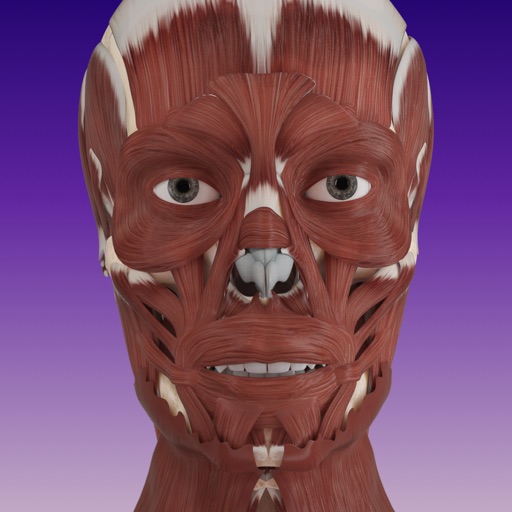
Explore detailed, fully labeled color images of human . Take quizzes and tests to reinforce learning. Access interactive features to study structures and functions. Review content anytime on iPhone, iPad, or iPod touch.
Take personal notes on chapters during medical discussions. Record audio notes. Add text notes. Upload videos and images. Access sample content for free. Unlock full content with in- purchase.
Track moles, monitor changes, connect with specialists
Track moles and skin spots with 3D body mapping and full-body imaging. Monitor changes over time with image archiving and mole tracking. Receive educational analysis using the ABCD method for melanoma. Set calendar reminders for skin checks.
View 3D anatomy models and navigate through layers. Draw annotations, animate physiological processes, and illustrate medical conditions. Share annotated images and export interactive content for educational use.
Provides tools for medical professionals to follow The S.T.A.B.L.E. guidelines. It includes calculators for corrected gestational age, temperature conversion, and umbilical artery and venous measurements.
Review chest CT findings with diagnoses and imaging presentations. Search for diseases or browse by organ system. Access over 100 curated CT images. View detailed lists. Identify common imaging findings associated with various conditions.
Access study materials covering fundamentals, patient care, pharmacology, anatomy, and physiology. Practice with exam-style questions and review detailed explanations. Track progress and set study goals. Sync notes across devices.
Review and analyze CT images with color graphic illustrations of disease patterns. Explore imaging findings and compare with standard references. Use an experimental diagnosis tool to generate differential diagnosis suggestions.