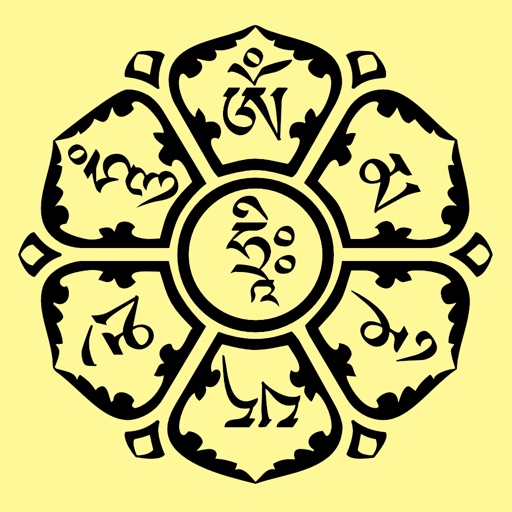
Oṃ maṇi padme hūṃ
Sanskrit mantra of compassion explained.
Sam Tseng
iPhone Screenshots


Description
The app presents the six-syllabled Sanskrit mantra associated with Avalokiteshvara, the bodhisattva of compassion. It explains the meaning of each word within the mantra and its cultural significance.
Oṃ maṇi padme hūṃ (Sanskrit: ॐ मणिपद्मे हूं) is the six-syllabled Sanskrit mantra particularly associated with the four-armed Shadakshari form of Avalokiteshvara, the bodhisattva of compassion. The first word Om is a sacred syllable found in Indian religions. The word Mani means "jewel" or "bead", Padme is the "lotus flower" (the Buddhist sacred flower), and Hum represents the spirit of enlightenment. It is commonly carved onto rocks, known as mani stones, or else it is written on paper which is inserted into prayer wheels. When an individual spins the wheel, it is said that the effect is the same as reciting the mantra as many times as it is duplicated within the wheel.