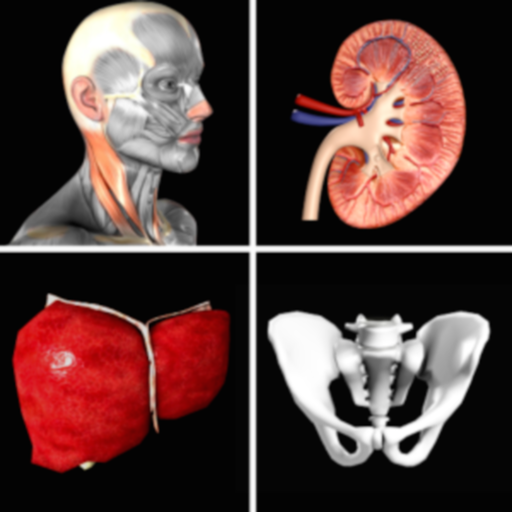
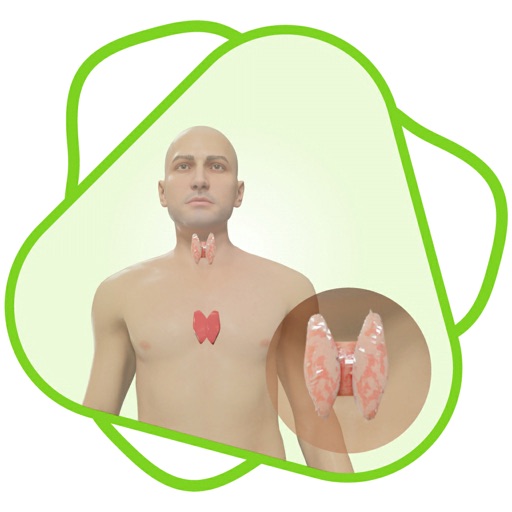
Explore 3D models of the human body with interactive features. Rotate, zoom, and dissect virtual organs. View layered diagrams. Learn about systems and structures through guided lessons and quizzes. Share findings via social media or email.
by WANT2B S.L.★ 3.85 ratingsEducation$2.99Data updated 2026-09-09
The app teaches letter names, sounds, and tracing. Children can spell and read animal names through three engaging games with colorful illustrations and professional voice-overs.
The app offers multiple-choice and image-matching quizzes covering 416 anatomical structures, including bones, muscles, and organs. Users can create custom quizzes or focus on missed items, with an optional timer for added difficulty.
The app provides the complete text and full HD illustrations from the classic anatomical book. Users can zoom images, create notes, email content, and print via AirPrint.
View 3D models of diseased hearts affected by Ischemic disease and Atrial Fibrillation. Rotate and examine detailed anatomical structures. Access real images and videos of donated organs. about conditions through interactive, realistic visuals.
Dress-up puzzle game allows users to mix clothing for 10 different . Create combinations to unlock adventures involving activities like wrangling cattle and flying rockets. Features age-appropriate graphics and simple interaction for toddlers.
Access medical information through AI-powered search. Retrieve explanations of health conditions, treatments, and medications. Compare symptoms and possible diagnoses. Share findings with healthcare providers.
Plan surgeries, calculate capacity, stage cancer, view
Capacity can be assessed using interactive tools. Cancer staging includes detailed descriptions and illustrations. 3D viewer allows hiding and showing structures. Tumors can be placed interactively in models. Anatomical illustrations are provided.
The app calculates molar mass for chemical formulas and converts between common units. It displays information for elements in the periodic table and offers sharing capabilities.
A medical simulation allows students to identify organs on a mannequin. Students select and locate organs, match them to symptoms, and determine their functions. The provides feedback on interventions for simulated conditions.
The app provides bite-sized videos and quizzes for learning physics, chemistry, and math. An AI-driven coach assists users in their pursuit of knowledge, aiming to enhance their understanding in these subjects.