Explore 3D human models with interactive touchscreen navigation. Rotate, zoom, and view over 40 anatomical poses. Access clear definitions and labels for accurate learning. Share anatomical views for educational or medical communication.
by Eddie Quah★ 4.54 ratingsMedicalFreeData updated 2026-09-09
The app offers interactive quizzes on the heart and blood vessels. It provides category-based quizzes, an interactive dashboard for progress tracking, and a review mode with detailed feedback to reinforce understanding.
The app provides an interactive book for mastering abdominal imaging. It offers annotated clinical data sets to illustrate concepts of abdominal anatomy and pathology for diagnosis.
The app covers approaches to clinically important synovial structures in horses, including joints, tendon sheaths, and bursae. It provides information on synoviocentesis, arthroscopy, anatomy, technique, and equipment.
The app provides a catalog of medical imaging with 3D views of human anatomy and pathology. Images are validated by anatomists and offered in high resolution, with watermarks removed upon purchase.
Explore interactive to learn about body parts and organs. Discover how muscles function and bones heal. Engage with educational content on and organ systems. Play various activities to understand bodily functions.
Explore structures with interactive 3D models of plant and animal cells. Learn about organelles through animated illustrations and comparative details. Understand hierarchy and its connection to tissues and human organ systems.
Access study group discussions for peer and expert insights. Solve academic problems with NanoPractice exercises. Earn rewards for correct solutions. Submit feedback via email or the Help Center.
Explore through animated visuals and interactive touch screens. Identify ear parts by tapping. Zoom, pan, and sketch on diagrams. Project for classroom use or public demonstrations.
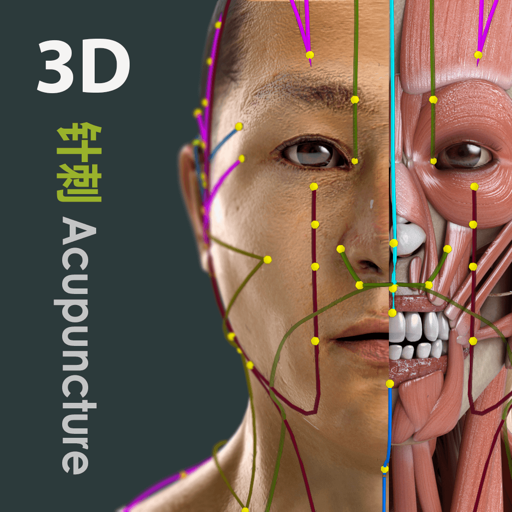
Explore points and meridian pathways with interactive models. Adjust anatomical structures by hiding or fading. Edit and save detailed descriptions of points, meridians, and anatomy. Search points by name, function, or indication.