Apps Like ODYSSEY VSEPR Theory for iPhone and iPad
Explore molecular structures and bond angles
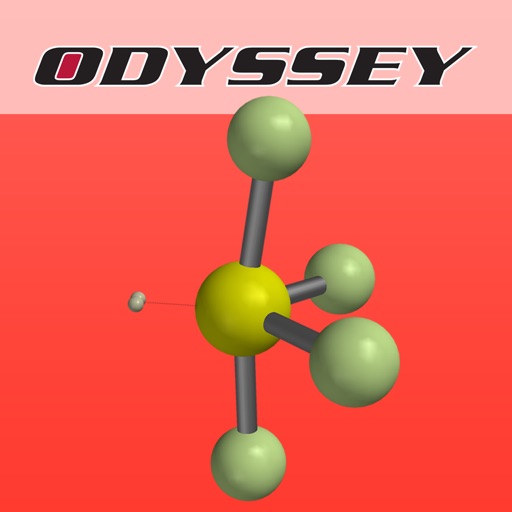
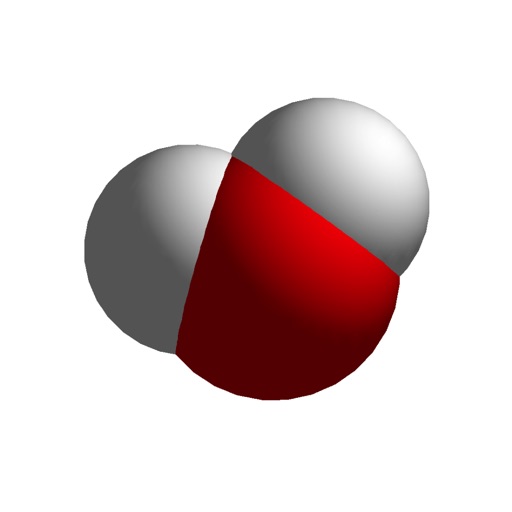
Explore molecular geometry using . Learn why molecules like CO₂ and HCN are linear while H₂O and SO₂ are bent. Compare bond angles and electron pair arrangements. Visualize molecular shapes and understand repulsion effects.
by Wavefunction, Inc.★ 5.01 ratingsEducation$3.99Data updated 2026-09-09
Explore molecular structures in 3D with intuitive gestures and customizable visualizations.
The app allows users to view and manipulate 3D molecular structures. It supports multiple visualization modes and file sharing options for molecular data.
Explore organic chemistry concepts with interactive visualizations of molecules and reactions. View detailed explanations of key topics. Access over 170 reactions, concepts, and reference materials.
Organic chemistry provides visual reaction animations, detailed molecule diagrams, and topic-based lessons. Users can explore reaction mechanisms, review video explanations, and access structured study materials for exams.
Prepare for the NIC-Esthetics with 1500+ -style questions and 800+ flashcards for memorization. Access over a dozen practice exams to simulate test conditions. Track progress and review content to improve performance.
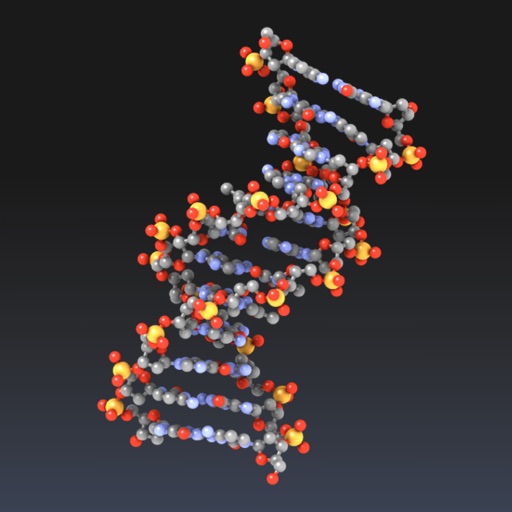
The app allows users to explore 3D structures of proteins, DNA, and drug molecules. Users can search databases like PDB and DrugBank, view associated information, and customize molecular representations.
Access detailed element information including symbol, name, atomic number, and mass. Search by classification, phase, or other properties. View electronegativity, atomic radius, and electron configuration.
Take quizzes on Biology, Chemistry, Geography, and Physics. Explore 3D molecule structures and zoom into microscopic landscapes. Access daily and health news summaries.
Problems using AI-powered calculations. Provide explanations for English, Physics, Chemistry, and Biology questions. Offer step-by-step solutions. Allow users to upload images of homework for analysis. Track progress and set study goals.
Set beats per minute and choose tempo. Start, stop, or reset the . Adjust sound volume and select different beat sounds. Practice timing with visual cues and audio feedback.
Explore molecular structures and chemical reactions through interactive simulations. Conduct virtual experiments and play games. Learn about molecules and reactions with guided activities. Supplement hands-on experiments with digital learning tools.
Explore 3D models of atoms and molecules using augmented reality. Interact with different atomic orbitals, viewing their shapes and energy levels. Learn about molecular orbitals through the Hartree-Fock method.
Learn chemical element names and symbols through interactive quizzes. Test knowledge of basic , advanced , or all from hydrogen to oganesson. Practice identifying atomic numbers with dedicated quizzes. Track progress and review answers for each .