

Apps Like Learn with Rufus: Emotions for iPhone and iPad
Learning facial expressions for emotions.
The app helps children learn facial expressions for emotions like happy, sad, and angry. It includes customizable games and rewards to keep children engaged while learning to identify emotions.
Learn with Rufus: Emotions screenshots
Ranked alternatives
Showing 381–400 of 1,000 ranked alternatives.

Autism iHelp – WH? SLP Edition
John Talavera
Vocabulary teaching aid for autism.
The app provides vocabulary teaching for children with Autism Spectrum Disorder. It includes 144 questions based on expressive language milestones and offers two voice options.


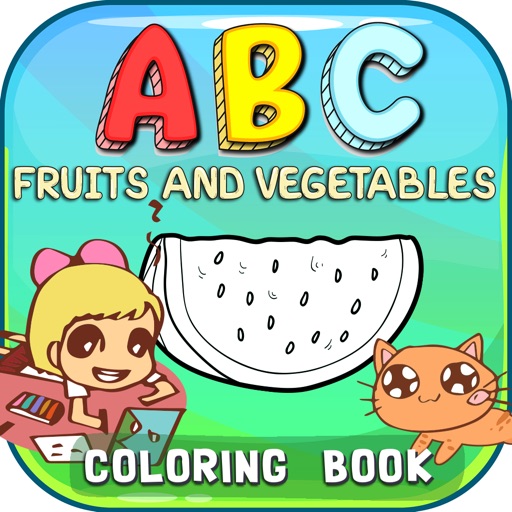
ABC Fruits And Vegetables Coloring Book: Learning English Vocabulary Free For Toddlers And Kids!
sathaporn khwannakorn


MUSIC GAMES Happytouch®
Happy Touch Kids Learning Games for Toddlers GmbH
Puzzle game for young children.
This app offers a puzzle designed for children aged two and up. It promotes coordination and relation skills through its engaging content.


Fun For Kids - A Game for kids
Tailmind AB
Interactive learning game for young children.
The app offers three modes: Point and Learn, Learn with Puzzles, and Guess the Image. Users can interact with animals, vehicles, and musical instruments, hearing their sounds and names.


Catch ABC Letter
YSD HK LIMITED
Children play with ABC letters.
The app lets children interact with ABC letters. They can hear the sounds and see facial expressions on the letters to improve their visual experience.


emotionary+ by Funny Feelings®
LA VERITE AUSTRALIA PTY LTD
Express yourself with emotional vocabulary.
The app guides users through emotions to find feeling categories. Definitions are essential and easily compared.


Autimo — AMIKEO APPS
AUTICIEL
Learn emotions through identification games.
The app offers image support with over 50 images and animations to discover facial expressions. It includes three fun exercises with two difficulty levels to learn while having fun.

How we rank alternatives
Apps are ranked by functional similarity, category fit, rating confidence, and popularity.