
SpeakApp-which...?
Sagit Cohen
Develops cognitive flexibility via the question.
The app teaches the use of the relative clause and develops cognitive flexibility. It includes three games: Matching, Memory, and Recording, suitable for ages 3.5-7.

Simple matching pairs game for children.
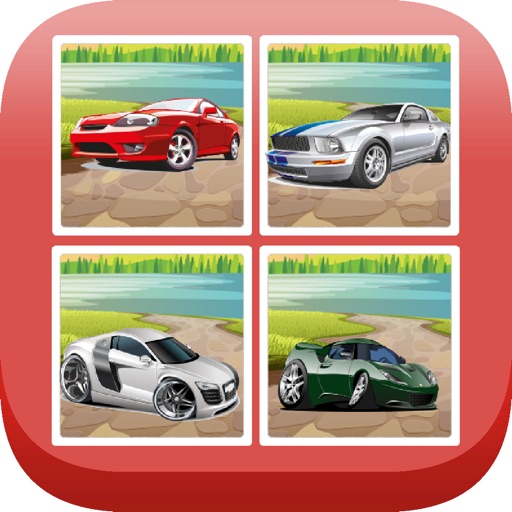
The app is a matching pairs game designed for young children and learners with special educational needs. It features a clear interface for touch selection or switch scanning, with customizable card numbers and six picture sets.
Showing 661–680 of 1,000 ranked alternatives.
Sagit Cohen
Develops cognitive flexibility via the question.
The app teaches the use of the relative clause and develops cognitive flexibility. It includes three games: Matching, Memory, and Recording, suitable for ages 3.5-7.


晖 郑
Match pairs, unlock treasures, avoid bombs.
The app is a memory matching game with cute graphics and creative gameplay. It offers challenging levels designed to improve memory and concentration for all ages.

Australian Nuclear Science and Technology Organisation
Learn the Periodic Table with games.
The app supports science education with flash cards and five games to learn element name, symbol, and atomic number. Users can progress through six levels, with reward badges charting their progress.




zeec GmbH
Match pairs, tickle characters, giggle.
The app helps children develop memory and concentration with a card matching game. It features colorful characters, motivating sounds, and six difficulty levels for engaging gameplay.


Apps are ranked by functional similarity, category fit, rating confidence, and popularity.