The app predicts 13C and 1H NMR spectra from drawn chemical structures. It offers features like instant recalculation, data exchange via iCloud, and report printing.
by Kirill Blinov★ 0.00 ratingsEducationFreeData updated 2026-10-17
Study for the State Board of with access to thousands of practice questions and detailed explanations. Review topics including Anatomy & Physiology, Bones, Muscles, and more. Track progress and prepare for chapters effectively.
Explore chemical elements with detailed information and atom structure simulations. Conduct virtual chemistry experiments. Filter and search elements quickly. Download PDFs for each element. Access presentation galleries and movie clips.
Study for exams with 600+ practice questions and 300+ flashcards. Access multiple practice exams to prepare for state board tests. Review material on hair, skin, and nail care. Track progress and revisit difficult topics for reinforcement.
The app provides detailed information on chemical elements, including atomic number, mass, and properties. It features a molar mass calculator and interactive visualizations, all accessible offline.
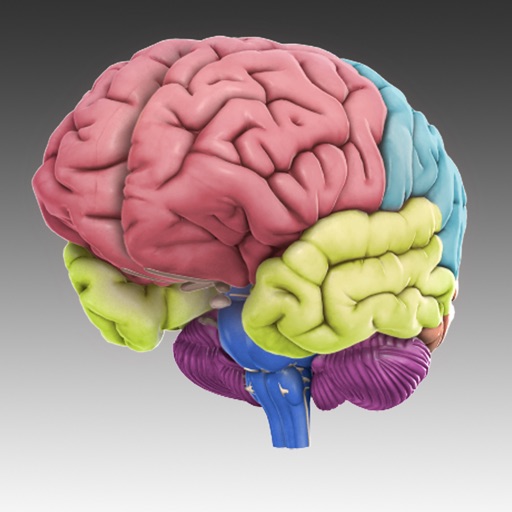
The app displays 29 interactive brain structures that users can rotate and zoom. It provides information on functions, disorders, brain damage, case studies, and research links for each structure.
Allows users to create chemical process models using a touch-enabled PFD drawing interface. It supports offline operation and performs VLE/VLLE/SVLE/SVLLE calculations with equation of state and activity coefficient methods.
The app identifies NMR impurities by searching a database of common laboratory contaminants and residual solvents. It supports multiple deuterated solvents and allows users to add custom impurities.
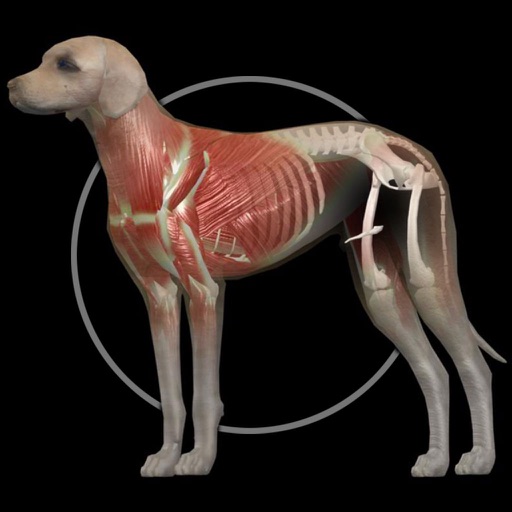
Explore anatomical structures with 3D models. Rotate, slice, and zoom to view layers. Tap labels for descriptions, audio pronunciation, and close-ups. Quiz yourself or create custom quizzes on anatomy sections.
Take a photo of a , mineral, crystal, or gemstone to get instant identification. The uses AI to recognize and provide details about the specimen. View information on properties, formation, and uses.
Explore elements with detailed properties, historical context, and practical uses. View 3D atomic structures and rotate models. Search for elements by name or symbol. Save favorite elements for quick access.
Practice and PTE exams with timed practice tests. Get AI feedback on speaking responses and writing tasks. Improve listening skills with interactive exercises. Track progress with detailed performance reports.