Model population changes using demographic inputs like fertility rates and migration. Visualize data through dynamic charts. Analyze factors including age at first birth and population structure shifts. Export and compare simulation results.
by SEBASTIAN LEANDER WAGNER★ 0.00 ratingsEducationFreeData updated 2026-09-06
Track weight and performance metrics over time. Record and analyze growth data. Set weight goals and monitor progress. Sync data across devices for easy access and management.
Access and analyze enterprise data securely from anywhere. View dashboards, publications, and on the go. Prepare reports, filter data, and share insights directly. Self-serve business intelligence without IT dependency.
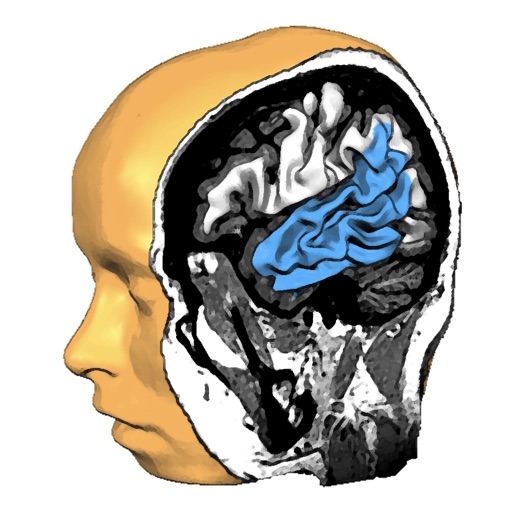
Explore anatomy with interactive 3D models. Rotate and slice through high-resolution structures. View fiber tracts from MRI data. Learn about function and structure with detailed visualizations.
Plan and respond to chemical incidents using plume dispersion models integrated with Google Maps. Access real-time meteorological and gas sensor data. View and analyze hazard scenarios with the ALOHA® model.
The app introduces users to the symptothermal method for natural contraception or identifying fertile days. Users can view learning videos and a world map showing other game participants.
Provides skin cancer risk assessment based on user input. Calculates likelihood using clinical data. Offers educational resources on risk factors and prevention. Suggests consultation with healthcare professionals for personalized advice.
Allows users to study basic and advanced SQL concepts. Users can insert, update, delete, and query documents. They can also sort and limit results, create and drop collections.
Calculate present or future value of investments with customizable interest rates and time periods. Input principal amount, annual rate, and term length. Choose compounding frequency: monthly, quarterly, or annual.
Calculate surgical risk using clinical data to predict patient mortality. Input patient information to assess risk factors. Generate detailed reports with statistical analysis. Share results with healthcare professionals.








![Learn MongoDB Offline [PRO] app icon](https://is1-ssl.mzstatic.com/image/thumb/Purple126/v4/4e/81/cb/4e81cb08-58c7-9dc2-20c0-17b40033dc28/AppIcon-0-0-1x_U007emarketing-0-0-0-7-0-0-sRGB-0-0-0-GLES2_U002c0-512MB-85-220-0-0.png/512x512bb.jpg)