Apps offer preverbal exercises, sound sequencing, and word recognition for up to 500 . Users practice articulation by recording model . Apps include exercises for complex word formation and modeling.
Teaches - math, language, science, STEM, reading, and critical thinking through 21 educational . Includes curriculum-based lessons and interactive activities for children aged 7-10.
Practice English speaking by listening to native voice audios, recording your own voice, and comparing it to improve pronunciation and intonation. Track progress with feedback on voice quality and liaisons.
Help children practice speech sounds with targeted word, phrase, sentence, and reading exercises. Parents receive tips for correct sound production and access research-based education.
Users complete evidence-based therapy exercises for cognitive, language, and speech recovery. Track progress with AI guidance. Access structured therapy sessions for stroke, TBI, aphasia, and dementia.
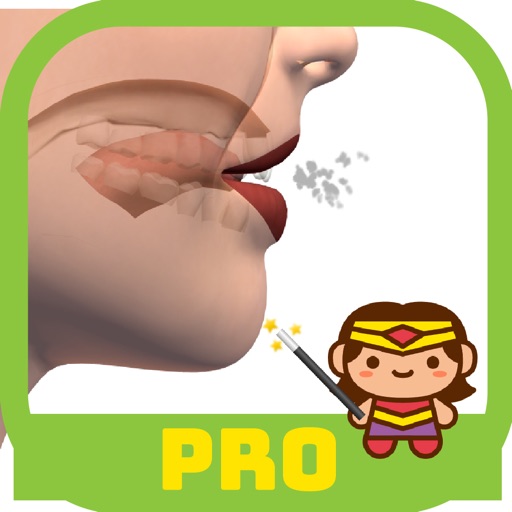
Provides exercises through stories, , and songs. Includes drills for . Encourages regular use with interactive content. Designed for children with cleft palate. Does not replace professional therapy.
Includes two articulation screeners: an SLP-friendly version and a parent-friendly version. Both assess which sounds children should have acquired. The combines content from five industry-leading apps into one platform for therapy.
Play a -popping game where users identify and repeat specific sounds. Customize difficulty levels and track progress over time. Share achievements and compete with friends.
Encourage and language development through interactive activities. Parents and therapists can track progress, set goals, and receive feedback. Include visual prompts, repetition, and customizable exercises for children aged 0-5+.
Learn with illustrated flashcards featuring words and pictures for word recognition and vocabulary building. Listen to human-narrated audio for pronunciation practice. Play games to reinforce memory and cognitive skills.
Build speaking skills with daily practice. Record and analyze speech for clarity and confidence. Get feedback on word choice and sentence structure. Track progress over time. Practice speaking exercises to improve fluency and .
Learn vocabulary and pronunciation through interactive flashcards in multiple languages. Practice motor skills with drag-and-drop activities. Complete games to reinforce word recognition and language development.