

Apps Like Why?! for iPhone and iPad
Ranked alternatives
Showing 421–440 of 1,000 ranked alternatives.


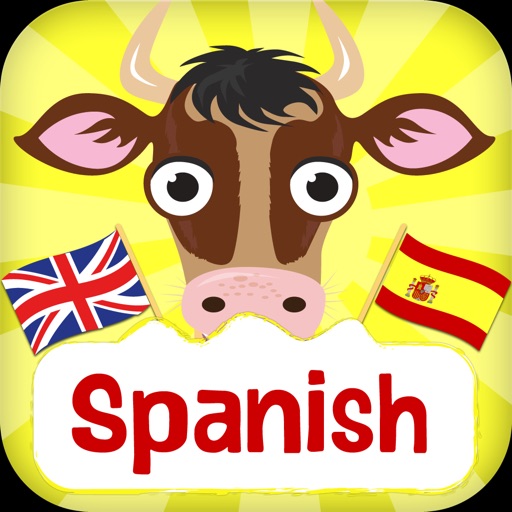
Learn Spanish for Kids
INKids Education LLC
Spanish words for young learners.
The app contains over 400 Spanish words covering categories like colors, numbers, food, and animals. Each flashcard is interactive, aiding children in learning pronunciation and word recognition while they play.


MyNepali -Read and hear Nepali words
Anurodh Pokharel
Learn with animal sounds and images
Teaches basic through images, animal sounds, and child pronunciations. Displays in English, , and Latin script. Includes audio support for pronunciation. Future updates will add numbers, objects, and the alphabet.


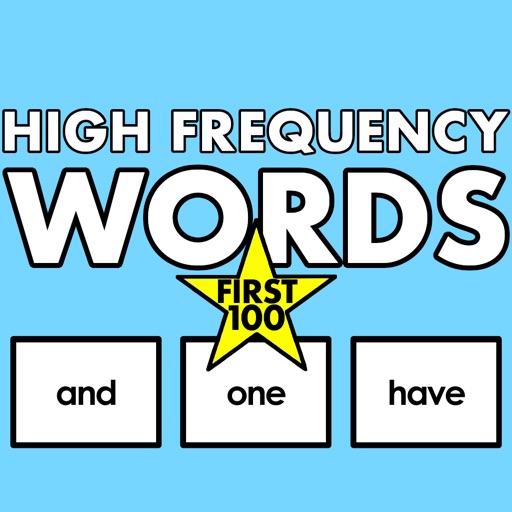
High Frequency Words First 100
Kevin Fichman
Learn sight words with audio flashcards.
The app teaches young children the first 100 sight words using visual flash cards and spoken audio. It is suitable for educational activities, speech therapy, and improving memory recognition.

The Dragon World 4D+
Pibideema PTY LTD
Explore 3D books and interact with dragons
Explore a 3D book with interactive augmented reality elements. Navigate a virtual kingdom, learn about dragons through storytelling, and engage with animated characters. Access additional learning content and activities related to the book.

Kids Tutor: Cool Math Quiz App
EXCELLENT APPS PRIVATE LIMITED
Learn , develop creativity, and build skills
Offers exercises with interactive puzzles and games. Children can practice arithmetic operations and develop problem-solving skills. Activities focus on building mental calculation abilities and fostering creativity through engaging challenges.
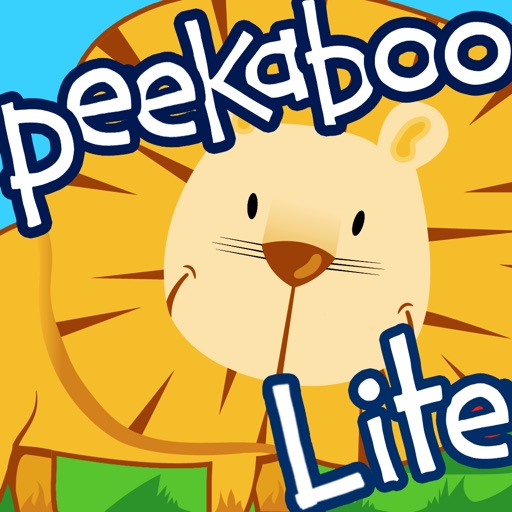
Peekaboo Zoo HD Lite - Who's Hiding? A fun & educational introduction to Zoo Animals and their Sounds - by Touch & Learn
James Lewis Design Ltd
Discover animals with fun sounds.
The app is an interactive peekaboo game for young children. Children can hear animal sounds, click the screen to reveal hidden animals, and enjoy animations.



How we rank alternatives
Apps are ranked by functional similarity, category fit, rating confidence, and popularity.