Teach music theory with note identification, fingerings, and rhythms. Track student progress and assign exercises. Include alternate fingerings in red. Motivate learners with quizzes and progress reports.
Interactive fingering charts for woodwind, brass, fret, and string instruments. Tap valves or keys to play notes. View detailed diagrams for flute, clarinet, guitar, violin, and other instruments. Sync with audio for note recognition.
Access fingerings for woodwinds and brass instruments with alternate and trill options. Retrieve fingerings from written or concert pitch. Supports Piccolo, Flutes, Oboe, Clarinets, Saxophones, and various trumpets and horns.
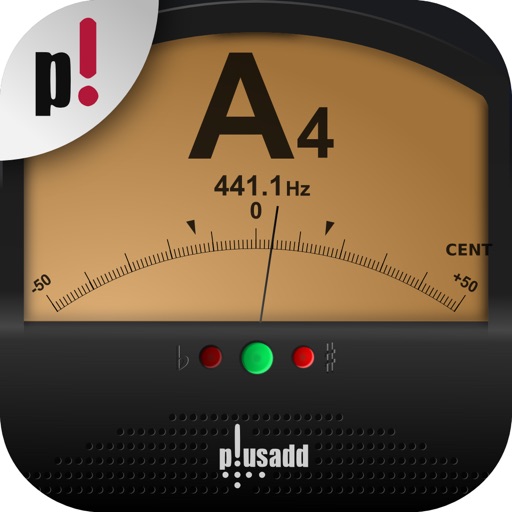
Tune instruments with real-time pitch detection and 0.1-cent accuracy. Support for string, brass, woodwind, and percussion instruments. Includes tuning mode, waveform inspection, and noise reduction. Calibrate to live sound or A4 standard.
And find chords based on the circle of fifths. Learn scales and chord progressions. Identify compatible chords within a key. Set and track musical goals. Sync with instruments and export progressions.
Allows users to listen to long tone recordings from professional musicians. It provides visual feedback showing the user's position within a chord. Users can adjust their pitch to match the sound.
The app offers sight-reading challenges and flashcards for note recognition. It adapts to user skill, increasing tempo and complexity with more notes from various scales and arpeggios.
Allows users to tune instruments using the device's microphone. It supports custom temperaments and transposition. Features include solfège notation, adjustable calibration, and a spectrum power indicator for sound visualization.
The app analyzes microphone input to display pitch, frequency, octave, and difference from standard pitch. It offers graphical interfaces, adjustable colors, and supports various notations and instrument tunings.