Access event schedules, view details of upcoming activities, and receive notifications about center activities. Manage event registrations and stay updated on community events and announcements.
The app provides daily temperature and wind speed for planets, moons, and the Sun. It displays the solar system in 3D with data based on NASA and NOAA information.
View real-time night sky and identify celestial objects. Locate planets, the moon, and stars based on your location. Learn about solar system planets with detailed information. Track moon phases and planetary positions.
Track Bible reading progress with customizable plans. Set daily goals and view completed chapters. Link to online Bible sites for web-based readings or launch native apps. Create or download additional plans as needed.
Calculates sun and positions with 0.3% accuracy. Determines sunrise and sunset times. Provides moonrise and moonset times. Adjusts for elevation and time zone.
View celestial positions including sun and moon overhead locations, daylight coverage, and moon phases. Track rise and set times, parallactic angle, and lunar liberations. Display day and night maps in an azimuthal projection.
Learn through interactive challenges and block-based programming. Navigate a spaceship through the cosmos while solving puzzles. Complete missions to unlock new levels and characters. Track progress and earn rewards throughout the space .
Explore high-resolution images of planets, nebulae, and galaxies. Navigate through the solar system and its major moons. Learn about the formation and evolution of celestial objects. Access a narrative on the origins of the universe by Dr. Aaron Day.
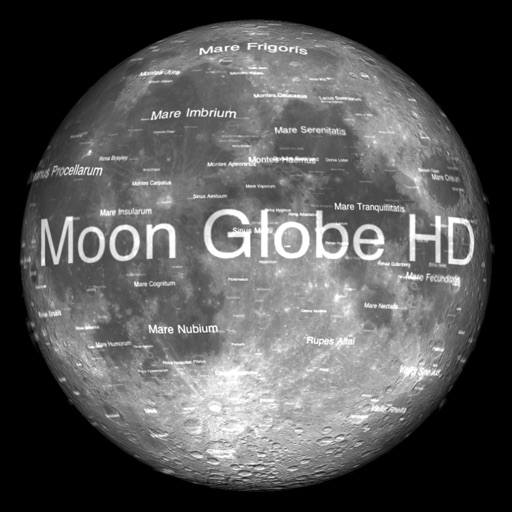
The app displays Earth's Moon in realtime 3D using satellite imagery and topographic data. Users can manipulate the view, switch to Telescope mode, and adjust the display time to observe shifting sunlight on the lunar landscape.
Explore 3D models of and view detailed information about each mission, including type, launch time, and date. Rotate models from different angles and see their position in the Solar System. Zoom out to view their location within the solar system.