The app presents clear images and animations of the middle ear anatomy. It includes structure identification, animations, and a video of a real eardrum, with zoom and pan capabilities.
by Blue Tree Publishing, Inc.★ 0.00 ratingsEducation$4.99Data updated 2026-10-17
Use beats for timing practice, songwriting, and live performances. Adjust tempo and select different patterns. Jam with others or record sessions. Sync with audio apps for seamless integration.
The app presents dynamic animations and audio for five front and five back American English vowels. It includes an anatomy view with 26 parts that highlight and display names when touched, along with a drawing whiteboard feature.
Practice music theory with multiple choice questions and call and response exercises. Identify musical elements and concepts. Compete against players globally. Track progress and receive feedback on accuracy.
Piano with interactive and games. Practice rhythm and ear training exercises. Complete daily challenges to improve skills. Study music theory through structured . Track progress and receive feedback during practice sessions.
Teaches third- subjects through interactive games. Covers math, language, science, STEM, reading, and critical thinking. Includes curriculum-aligned activities for skill practice. Allows kids to review and master lessons.
The app presents anatomical illustrations of the larynx with multiple views and identification features. It includes animated diagrams and a drawing whiteboard for educational purposes.
The app allows users to become an ear doctor, examining and diagnosing patients. It is child safe, with no advertising, external links, or hidden in-app purchases.
Provides pitch detection for accurate tuning. Users can follow visual indicators to adjust string tension. The offers tuning prompts for precise sound calibration. It includes a simple interface for beginners to tune their without prior knowledge.
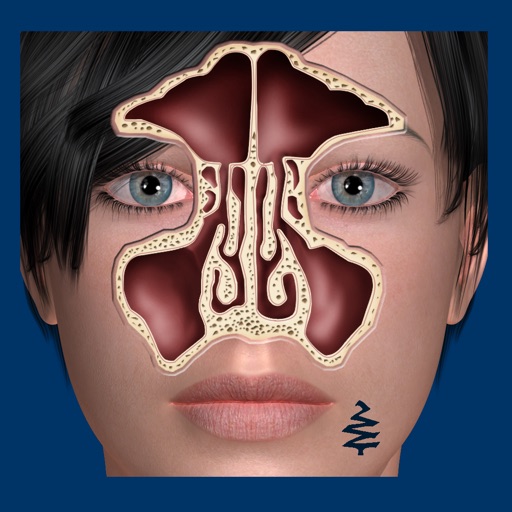
Learn about anatomy with detailed 3D views from front, side, and top angles. Explore animations showing normal and abnormal mucus flow. Identify structures like turbinates, deviated septum, and polyps.
Practice rhythmic exercises with metronome support to improve timing and sight reading. Repeat custom rhythms, test skill levels, and track progress. Sync with a teacher or practice independently for structured training sessions.
Schedule appointments for , access medical records, and consult with qualified healthcare providers for common conditions like burns, sprains, infections, and allergies. Receive referrals to specialists when needed.
Amplify sounds using adjustable equalizer and tone settings. Adjust volume and pitch for better . Works in background for continuous use. Connect via headphones for direct audio input.
Explore 3D human models with interactive rotation and zoom. Perform virtual dissections to reveal layers and structures. Watch over 100 muscle action movies and physiology animations. Use audio pronunciation for anatomical terms.
Ability at home by measuring response to sounds between 125 Hz and 8000 Hz. Display results in an easy-to-read graph. Play sounds up to 20,000 Hz to estimate "ear age" based on high-frequency .
Vocabulary through spaced repetition. Assess level and receive a personalized learning plan. Study 8 words daily with 5 learning mechanics. Repeat words and expressions to reinforce memory. Choose specific topics of interest.
Practice ear training, sight reading, and music theory exercises. Set musical goals and track progress with detailed statistics. Focus on specific areas like intervals, chords, and rhythm. Challenge weak areas and invite friends to practice together.