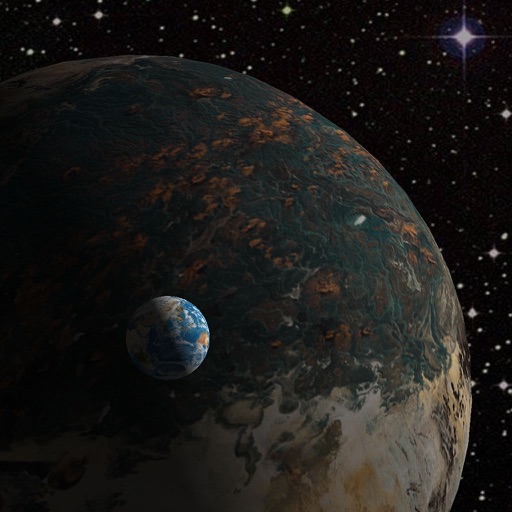
The app simulates a spaceship, its engines, and solar system planets. Users can explore space and observe Earth's rotation, with realistic terrain and textures based on NASA data.
The app visualizes recent Earth Science satellite data including temperature, carbon dioxide, and sea level variations. Data sets are presented using false color maps with color-coded legends to indicate environmental conditions.
View celestial objects like planets, galaxies, and stars visible from your location. Filter viewing lists by observation time and object type. Generate lists for specific locations. Identify objects in the night sky using geographic data.
Use device as high-performance GPS receiver with USA Raster Nautical . Access without cell signal. Navigate safely in emergencies. Sync with chart plotter if available. Download for offline use. Track location and display real-time data.
Explore the System with a 3D simulation showing accurate orbital and rotational motion. View surface details and moons up close. Land on planetary surfaces for detailed exploration.
Track asteroid and meteor events with an interactive map showing impact locations and energy levels. View detailed orbital data and risk assessments for -Earth objects. Search NASA's asteroid database for specific objects and their characteristics.
The app displays stars, constellations, and deep sky objects in real-time using the device's sensors. It includes over 8000 stars, 88 constellations, and 100+ deep sky objects with offline data and a time machine feature.
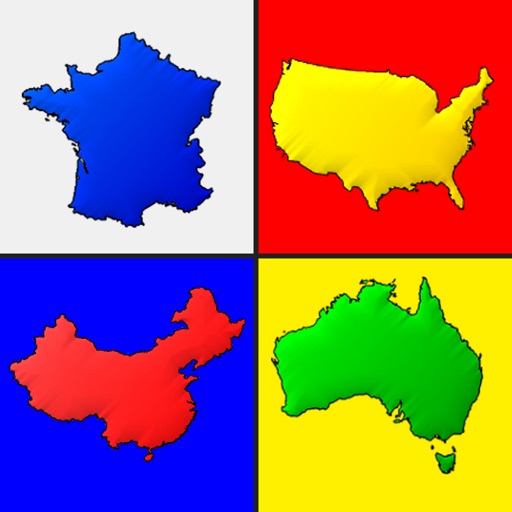
Guess by their outline across all continents. Identify 197 independent nations in two difficulty levels. Compare country shapes to distinguish similar ones. Track progress and collect stars as you advance.
Watch timelapse videos of celestial phenomena and Earth views. Play videos with synchronized background music. Connect to TV or use Apple TV for enhanced viewing.
Track environmental observations like cloud cover, land cover, and mosquito habitats. Submit data for scientific research. Access educational resources and learn about Earth systems. Share observations with the global community.