Learn anatomical structures through interactive modes. Choose It mode highlights structures for identification with multiple-choice questions. Touch It mode requires locating and touching specific structures on anatomical images.
Explore , , and through visual representation. Paint grids and circles with colors to see how different proportions affect fractional, decimal, and percentage values. Adjust grid and circle sizes to observe changes in numerical representations.
Read adapted versions of popular books and stories in Spanish. Highlight and translate unknown words. Track vocabulary progress. Adjust text difficulty based on reading level. Practice comprehension with interactive questions.
Identify rocks, minerals, and crystals by taking photos or selecting images from the library. AI analyzes characteristics and provides details on type, composition, and properties. Access a comprehensive database for additional information.
Take a photo of a , mineral, crystal, or gemstone to get instant identification. The uses AI to recognize and provide details about the specimen. View information on properties, formation, and uses.
Identify rocks and crystals by taking photos. Get details like name, hardness, properties, and similar stones. Learn about mineral history and potential . Explore common and rare specimens for educational or collection purposes.
Through beginner to advanced courses in Python, JavaScript, HTML, and other languages. AI tutors provide on-demand support, breaking down complex topics. Interactive exercises offer instant feedback.
The app provides enormous zoom factors into a preset image, reaching sub-atomic particles and the observable universe. It displays real photographs and computer model renderings.
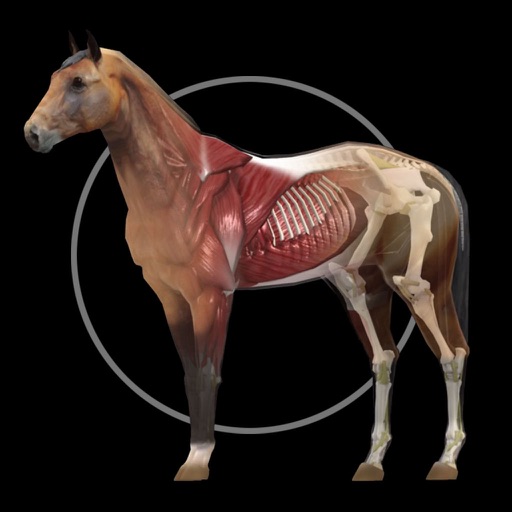
The app presents a 3D model of horse anatomy, including muscles, bones, and organs. It features detailed models of the hoof, head, and pelvis, with labeled structures and audio pronunciations.
Visualize and interact with and data structures through dynamic animations. Explore step-by-step breakdowns of sorting, searching, and graph . Practice coding exercises and test knowledge with quizzes.
3D molecular structures in Anaglyph, Side by Side, and Mirror separated stereoscopic modes. Explore like adrenaline, cocaine, and amino acids. Rotate, zoom, and analyze spatial arrangements for education.
Explore 3D molecular structures of proteins, RNA, and DNA with real scientific data. Rotate and zoom models to examine their detailed features. Learn about protein evolution and their specific shapes adapted for function.