The app visualizes a built-in function z = f(x, y) in 3D. Changing parameters of the physical model recalculates the image, producing colorful pictures.
by Gustav Schubert★ 0.00 ratingsEducationFreeData updated 2026-10-17
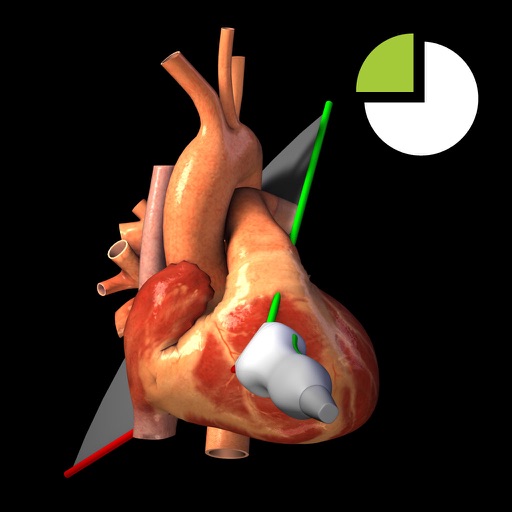
Users can view TTE recordings for 20 cardiac and interact with corresponding 3D heart models. Rotate and adjust 3D models to visualize cardiac structures. Annotate and compare images with reference guidelines.
The app allows users to create looks and styles for a model. Users can select from various categories including skin color, hairstyles, face, outfits, and scenery.
Play and modulate sound using gyroscope movements for pitch, volume, and filter cutoff. Adjust parameters with precise motion tracking. Create melodies with accurate 2000-degree sensor input. Sync with MIDI devices for external control.
The app is a virtual analog synthesizer with a SuperSaw sound emulation. It features two filters per voice with 16 available types and a Morph Group function for parameter modulation.
Perform complex calculations with trigonometric, statistical, and combinatorial functions. Define and evaluate custom equations. Graph mathematical expressions and explore multiple variables. Save and reuse calculations for future use.
Explore an interactive 3D model to view muscles, bones, and joints in detail. Rotate, zoom, and dissect layers to study human movement. Access expert insights on biomechanics and . Track progress with customizable study plans and quizzes.
The app helps users practice naming and description skills with photos and voice prompts. It includes naming practice, description exercises, a naming test, and flashcards for skill development.
The app collects, visualizes, and analyzes STEM learning data. It graphs live sensor data in real time and connects to wireless Bluetooth Smart sensors.
Control the robot's screen directly from the device. Access the robot's camera and screen remotely via internet. Set up Wi-Fi quickly. Use image recognition to control the robot. Activate one-touch stand-up function.
Calculate oxygen demand per patient with altitude adjustment, FiO₂, tidal volume, and respiratory rate inputs. Track oxygen needs over transport time. Plan and estimate oxygen supply based on equipment type and transport conditions.