Access recommendations from the American College of Cardiology. Use interactive tools like risk scores, dosing calculators, and algorithms. Customize bookmarks, take notes, and email PDFs.
Track symptoms, medications, and episodes for atrial fibrillation management. Log daily activity and complications. Sync heart rate data from Apple HealthKit. Share patient-reported outcomes with clinicians for treatment decisions.
Learn cardiac anatomy and auscultation techniques through interactive lessons. Practice identifying heart sounds and murmurs with phonocardiograms. Study ECGs and arrhythmias with detailed explanations. Track progress with quizzes and feedback.
Offers clinical calculators for diagnosis, treatment planning, and prognosis. Users input patient data to receive evidence-based recommendations. Tools include calculators for cardiovascular risk, renal function, and drug dosing.
Access echocardiography data for LV/RV size and function, LV mass, aortic and atrial dimensions. View diastolic function and prosthetic valve reference data. Switch between BSE, ASE, and EACVI guidelines.
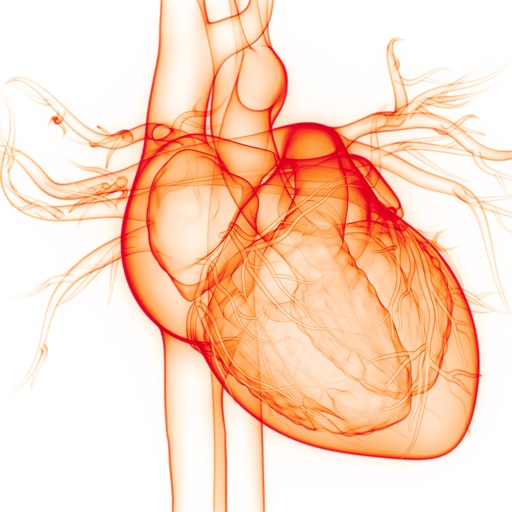
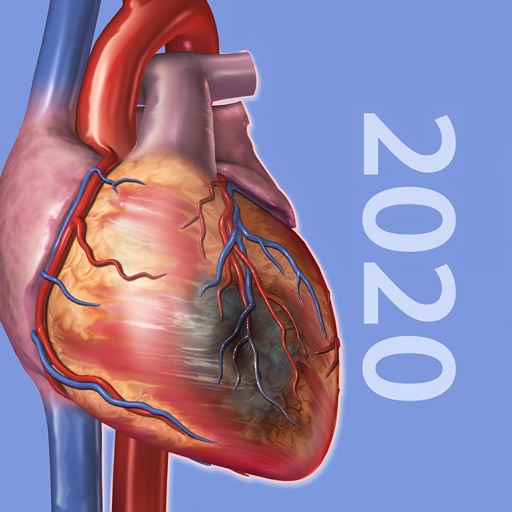
Explore the human through interactive 3D models. Rotate, zoom, and dissect layers to view anatomy. Learn about functions and blood flow. Access detailed explanations and clinical insights. Share findings via social media or email.
Access cardiac calculators, algorithms, and charts for left and right ventricles, atria, aorta, and aortic regurgitation. Select and save favorite tools for quick access. View detailed measurements and guidelines for cardiac care.
View and interpret ECG traces with detailed annotations and explanations. Access fully interpreted cases with clinical findings and differential diagnoses. Search for specific ECG patterns and review associated medical conditions.
Learn about and valve anatomy through detailed illustrations. Explore pathophysiology of valvular disease. Review surgical techniques for valve repair and replacement. Access educational content for physicians and medical students.
Simulate vital signs on a tablet or phone. Control vitals from one device and from another. Practice resuscitation scenarios and ALS training. Share scenarios with multiple users for collaborative simulations.
Track progress, set reminders, view education materials
Track exercises, set reminders, and monitor progress. Access 3D models, instructional videos, and clinician notes. Sync programs using an access code from a provider. View educational materials and follow guided sessions.