
Key-Tone-Decoder
NANO ELECTRONICS RESEARCH MUHENDISLIK ARASTIRMA GELISTIRME LIMITED SIRKETI

Analyze, generate, and visualize signals
Analyze audio signals with FFT spectrum analysis and oscilloscope display. Generate test signals and measure frequency responses. Sync FFT sweeps for real-time frequency characteristic observation. Input signals via connected devices.
Showing 541–560 of 1,000 ranked alternatives.
NANO ELECTRONICS RESEARCH MUHENDISLIK ARASTIRMA GELISTIRME LIMITED SIRKETI


Ronald Nicholson
Decode FT8 signals from audio input
Decode FT8 signals from audio or SDR sources. Support Level 1 decoding for standard callsigns or 13-character text. Generate FT8 message audio for testing. View decoded messages and metadata.


Audio Damage, Inc.
Filter audio with twelve algorithms
Apply twelve filter algorithms, including MS20 emulation, for sound shaping. Use an envelope follower with stereo sidechain input for dynamic filtering. Access a full FSU section for signal manipulation.





Limelight Software
Reduce sibilance, double vocals, enhance clarity
-Esser removes sibilant sounds from vocal recordings. Includes a vocal doubler and noise gate. Works as an in DAWs like Cubasis and Auria. Adjusts thresholds and frequency ranges for precise control.


Nembrini Audio S.r.l.
Load impulse responses and edit cabinet tones
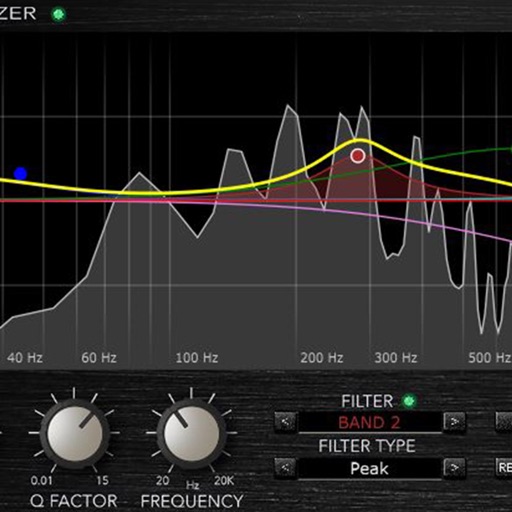
Load and manage impulse response files for audio equipment. Adjust cabinet sounds with a 6 band parametric equalizer and graphic EQ. Use a custom compressor with side chain filter and bass enhancer.
Dr. Harald Merkel
Tune notes and display feedback
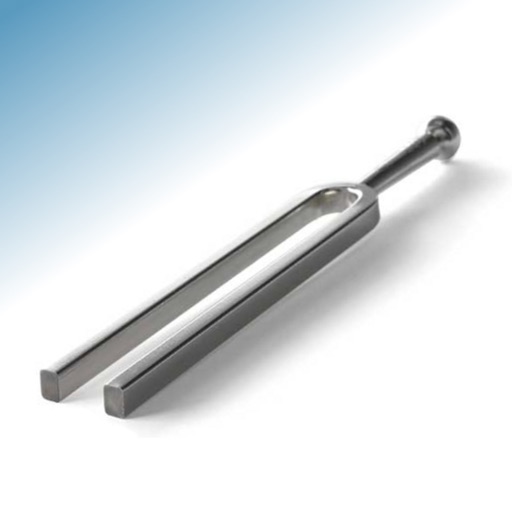
Displays a frequency spectrum for input checking and uses a 440Hz concert pitch. It shows a tuning over five seconds for real-time feedback. Users can adjust pitch and view frequency values. No additional features are included.

FabFilter
EQ sketch
Adjust audio with up to 24 bands of EQ. Use dynamic EQ and linear phase processing. Access spectral EQ and character modes. Edit in real-time with EQ Sketch. Control multiple 4 instances from one interface.
Apps are ranked by functional similarity, category fit, rating confidence, and popularity.