Generate speech using tap-to-talk icons or text-to-speech. Include pre-stored vocabulary for symptoms, pain, body parts, allergies, medications, people, time, and places. Provide on-screen instructions for navigation.
by University of Iowa Research Foundation★ 0.00 ratingsMedical$9.99Data updated 2026-09-06
Explore pelvic structures of fish through photographs of specimens and fossils. Conduct three experiments to collect and analyze data. Use graphing tools and statistical analysis to draw evolutionary conclusions.
Enable communication for -impaired users using iOS Control. Navigate with page up/down buttons and customize scanning patterns. Adjust settings for control compatibility and access alternative text input methods.
The app provides prompts to help manage saliva buildup for individuals with neurological conditions. It vibrates or beeps at set intervals, offering discreet reminders via Apple Watch to assist with swallowing.
Therapy for articulation disorders. Users practice with guided exercises. Includes audio and video prompts from a pathologist. Tracks progress and provides feedback on accuracy.
Medical decision support for healthcare providers.
The app correlates findings, tests, disorders, and remedies to help users evaluate, diagnose, and manage medical problems. It quickly groups symptoms and signs for conditions, indicating appropriate studies and therapy.
Review and analyze radiographs and CBCT scans to identify anatomical structures, dental disease, and technical errors. Test knowledge with quizzes on radiographic anatomy and image quality.
Provides information on HIV with clear to common questions and a step-by-step guide for starting treatment. Includes tips for medical care, a list of questions to ask doctors, and a secure passcode for privacy.
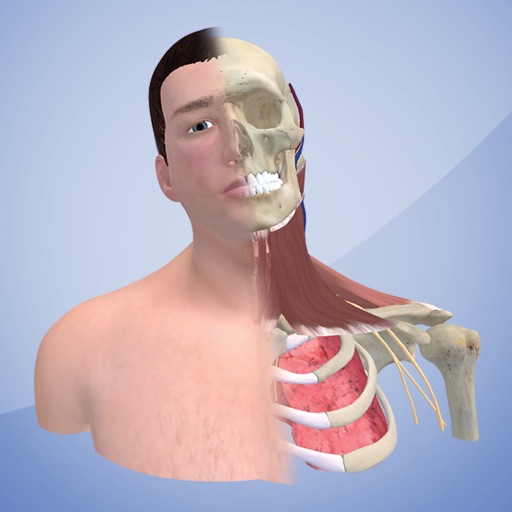
Explore 3D models of anatomy. Rotate postures 360 degrees for detailed views. Adjust head rotation and tilt. View comprehensive muscle layers. Simulate head tremors. Scan an OR code to activate the model from a workbook.
The app encourages imitation and sentence use with colors and objects. It helps improve receptive and expressive vocabulary, phrase length, spoken sentences, and articulation skills.
Facilitates communication during medical assessments for individuals with aphasia or communication barriers. Users report symptoms using visual aids and prompts. Healthcare providers access standardized questionnaires and interpret responses.