Check symptoms by describing how you feel. AI generates possible conditions and recommendations based on user input. View disease descriptions and provide feedback through email.
Access patient records and update care plans directly from a device. Receive communication alerts and engage in video, voice, or text interactions with patients. Create and store quick notes for patient interactions.
Log peptide reconstitution details including total amount, diluent, dosing, and preparation dates. Save and organize vial records with usage logs. Browse a general peptide reference library. Calculate and track dosing schedules.
Scan areas to identify potential conditions like moles, rashes, or irritations. Compare images with reference visuals for general insights. Save scans to monitor changes over time. Track health with visual records and pattern recognition.
Access medical articles on diseases, medications, anatomy, and sanitation. Search for health-related information. View detailed explanations and references. Use as a study tool for healthcare professionals and students.
Review and explore images of on radiographs, organized by category. Search for quickly. Identify common and uncommon equipment. Access detailed information on device appearances.
Schedule virtual consultations with occupational health professionals. Upload medical images or symptoms for review. Receive diagnoses, treatment plans, and prescriptions. Access recommended tests like MRIs if needed.
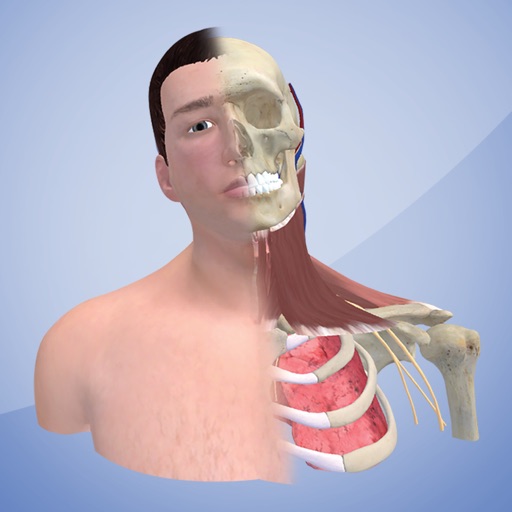
Explore 3D models of anatomy. Rotate postures 360 degrees for detailed views. Adjust head rotation and tilt. View comprehensive muscle layers. Simulate head tremors. Scan an OR code to activate the model from a workbook.
Magnify text and objects with adjustable zoom from 1x to 32x. Use AI to enhance clarity and detail. Adjust brightness and contrast for better visibility. Share magnified images directly. Sync with devices for consistent use.