Is a tuner that displays real-time note pitches. It supports multiple tunings including Standard Richter, Paddy Richter, and Country. Users can highlight various scales such as Major, Blues, and Dorian in any key.
Play traditional sounds with adjustable chord, rhythm, and instrument volumes. Customize pitch by sliding strings and transpose notes. Adjust rhythm speed and access two octaves of playable range.
Play Drum allows users to play virtual drums with multi-touch support for responsive instrument control. Choose from various drum kits including Studio Heavy Kit, Rock Kit, Tight Kit, and R&B Remix Kit.
The app provides blues guitarists with backing tracks in various keys and tempos. Users can adjust instrument volumes, access scales and modes for improvisation, and follow video tutorials.
Practice scales and arpeggios with interactive exercises and in various music styles. Access graded packs aligned with ABRSM syllabus via in- purchases. Track progress and receive feedback during sessions.
Play virtual accordion with a three-row fingerboard that mimics the traditional instrument's layout. Practice chord combinations, scales, and songs in five key combinations. Choose from color options to customize the interface.
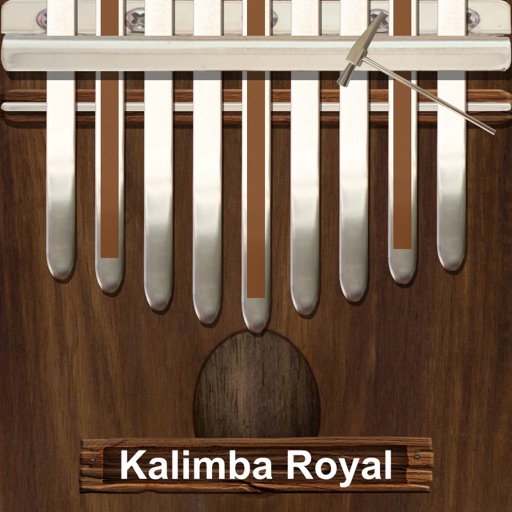
Play a traditional African musical instrument with metal tines. Pluck tines with thumbs to create melodies. Adjust pitch and volume. Save and share recordings. Learn scales and chords through built-in lessons.
Create chord progressions by clicking on the circle of fifths. Practice musical sequences in 4-12 measures across all 12 keys. Choose from various grooves and repeat progressions for practice. Export or share created sequences.
Practice scales, record progress, and track improvements
Learn and practice musical scales with interactive exercises and real-time feedback. Play scales on a virtual keyboard, receive instant corrections, and track progress. Customize difficulty levels and choose from various instruments.
Set tempo with precise BPM adjustments from 20 to 300. Practice complex rhythms and subdivisions. Use visual and audio cues for timing. Customize sounds and patterns. Sync with external devices for real-time feedback.
Train musical ear with percussion instrument recognition. Practice pitch identification, rhythm exercises, and interval . Track progress with detailed analytics and adjust difficulty levels.