Access ship stability guidelines, navigation rules, COLREG regulations, and marine engineering data offline. View GMDSS procedures, safety protocols, and environmental practices. Search for standards and reference materials anytime without internet.
Explore real-world locations as a secret agent with AR-powered missions. Complete scavenger hunt-style challenges at parks, museums, and stadiums. Use smart AI tools to answer questions and guide progress. Available in multiple languages.
Learn about 10 common modes of through interactive games and tasks. Identify names and attributes of aerial, marine, and terrestrial vehicles. Complete assembly activities to reinforce knowledge.
Explore with detailed insignia for Army, Navy, Air Force, Marine Corps, Coast Guard, and Space Force. View rank titles, pay grades, and insignia for each branch. Search by rank or branch to find specific details.
The app allows citizen scientists to log sightings of uncommon marine species. Verified sightings are used to map species distribution changes in response to environmental shifts.
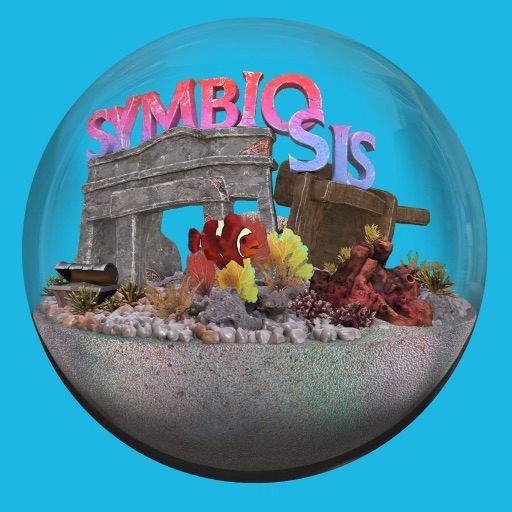
Create 3D paintings to classify real coral reefs and contribute to ocean conservation. Explore underwater environments with marine animals. Learn about coral classification and ocean ecosystems through interactive activities.
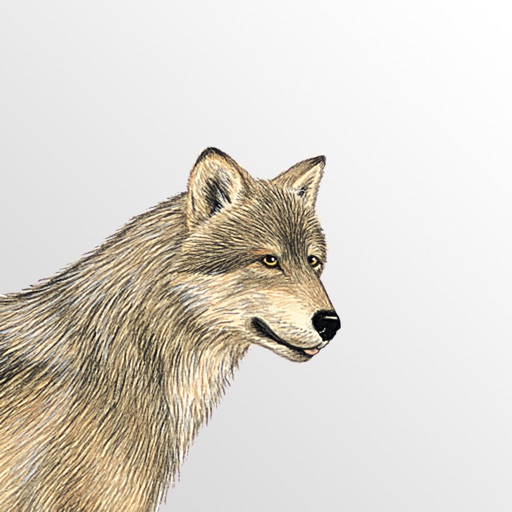
The app provides digital access to a field guide for United States and Canada mammals. It includes illustrations, photographs, species calls, and interactive tracks, with features for comparing species and recording sightings.
Prepare for military officer training with practice tests covering spatial reasoning, verbal skills, and math. Simulate real exam conditions with timed sections. Review results and track progress over multiple attempts.
The app provides detailed descriptions of over 950 species found in Victoria, Australia. Content developed by scientists at Museums Victoria covers urban, bush, and coastal environments.
Identify butterflies across all life stages and distinguish from look-alikes. Learn about milkweed species and their role in development. Report sightings to contribute to scientific research.