Apps Like CloudLabs Ecosystems for iPhone and iPad
Build aquariums and terrariums
Build virtual aquariums and terrariums by selecting appropriate plants and animals. Identify species and adjust environmental settings like temperature and lighting. Monitor ecosystem balance and observe interactions between organisms.
by Jiovany Orozco★ 1.03 ratingsEducationFreeData updated 2026-09-06
Identify mushrooms by taking photos or searching by name. Learn about edibility, properties, and effects. Create maps of locations. Build a collection with species details and notes. Share findings with others.
Identify plants, trees, or leaves by taking or uploading a photo. Receive accurate names and species details. Access care tips and additional information about the identified plant.
Manage a virtual by planting and cutting trees to produce resources. Build structures like houses and roads. Create comic books and other items. Monitor health to ensure inhabitants thrive.
Identify plants using photos, interactive keys, and descriptions. Access offline plant data for identification without internet. Explore new species and botanizing locations in 12 Mid-Atlantic states.
Build a scale model crane using interactive components like a jib arm, hydraulic cylinder, and platform. Analyze torque and forces to balance the system. Adjust positions and calculate required force for equilibrium.
Provides toxicology notes for veterinary professionals. Includes over 2000 pet descriptions with toxicological effects, clinical signs, treatment protocols, and detailed botanical plant information.
Identify plants by snapping or uploading photos. View species details, including common names and characteristics. Access a comprehensive database with descriptions and images. Save identified plants for future reference.
Create and color marine animals to bring them to life through augmented reality. Learn about ecosystems and conservation. Explore interactive content to understand marine life and environmental protection.
Identify plants using AI and expert-curated database. Determine requirements and suitability for your climate. Provide guidance on watering, sunlight, and soil needs. Offer recommendations for landscaping. Track and growth progress.
Take a photo or upload an image to identify plants, flowers, trees, herbs, and succulents. Use AI to recognize species quickly. View detailed information about each . Save identified plants to a personal collection.
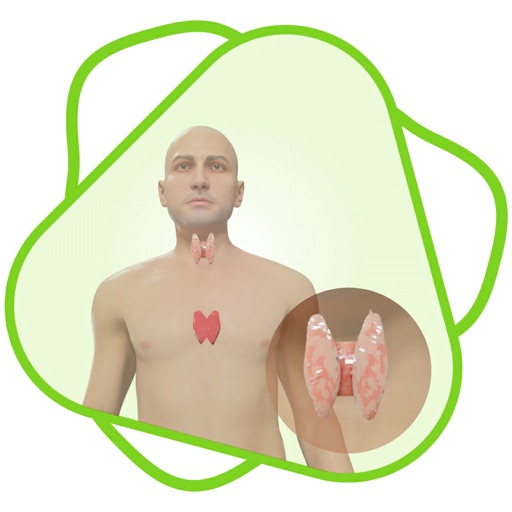
A medical simulation allows students to identify organs on a mannequin. Students select and locate organs, match them to symptoms, and determine their functions. The provides feedback on interventions for simulated conditions.
Identify fossils using AI-powered image recognition. Analyze specimens for species and age. Build a digital collection from photos. Access paleontology guides and educational resources. Share findings with other users.
Identify plants based on location, flower color, and season. Search for matching species from 2,959 entries. View details on plant types including , shrubs, and trees. No internet connection required.
Identify plants based on location, flower color, and time of year. Search for matching species from a database of 2,165 plants in . View details about each plant type including , shrubs, trees, and grasses. No internet connection required.
Perform experiments using a lighter, balance, flasks, and capsule. Measure mass before and after . Calculate solid percentage for each sample. Record and analyze results within the simulation environment.
Identify plants based on location, flower color, and time of year. Search for matching species from a database of 2,595 plants. View details on plant types including , shrubs, and trees. No internet connection required.