Lets users solve math puzzles using emojis. Each puzzle represents a mathematical equation. Users can tap emojis to reveal numbers and solve equations. The offers varying difficulty levels and tracks progress.
Solve problems by snapping photos. Receive step-by-step explanations and multiple solving methods. Access interactive graphs and a scientific calculator. View how-to animations for each solution.
Educational puzzle for preschoolers. Recognize with colorful pieces. Develop thinking, tactile, and fine motor skills. Features drag-and-drop gameplay and progress tracking.
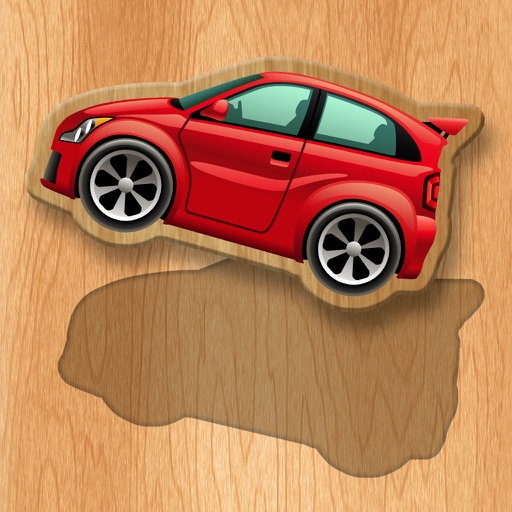
Helps babies recognize shapes and colors through interactive 3D puzzles. Includes animal, car, and fruit themes. Encourages fine motor skills and tactile learning. Features drag-and-drop gameplay and simple, intuitive controls.
Solve puzzles with varying difficulty levels. Input numbers manually or transfer from newspapers. Use pencil and paper style tools for notes and hints. Track possible numbers with a ball of string. Access expert-level hints like Swordfish.
Create elements by combining basic components like fire, earth, wind, and air. Build civilizations by evolving from microorganisms to advanced societies. Track progress through different eras and unlock new elements and creations.
Allows users to plot functions, polar, and parametric graphs. Users can edit equations in the graph editor and view graphs. Features include tracing, finding intersections and extrema, displaying derivatives, and adding tangents.
Offers memory, vision, and calculation exercises through games like Dice and Signs. Users can track progress, monitor age, and complete daily mental workouts to improve cognitive skills.
Play fit by filling in a grid with given words. Select from easy to hard difficulty levels. Solve by matching lengths and positions. Track progress and revisit completed .