This app offers two sections: Math for counting animals and Compare for analyzing object characteristics like height and color. It helps develop observation and analysis skills through interactive challenges.
by YSD HK LIMITED★ 0.00 ratingsEntertainmentFreeData updated 2026-10-14
The app offers 30 shape and tangram puzzles with 26 cartoon animals for children aged 1 to 6. Completing puzzles rewards children with celebrations and interactions, aiding in visual perception and fine motor skill development.
Teach children to write with interactive letters and numbers. Arrange pieces on a virtual board to create words and shapes. Includes themed sets and symbols. Supports unlimited creative combinations and expansion packs.
The app features over 50 animals for children to explore. Kids learn animal habitats and diets by dragging animals to correct locations, fostering early learning and curiosity.
This app offers toddlers and preschoolers an interactive experience with various vehicles like police cars and fire engines. Children can engage with the app by tapping elements to activate features and learn about different vehicles and their parts.
The app provides a smart coloring book experience for children. It features border line protection to prevent stray marks and allows users to mix their own colors.
Teach counting, colors, and shapes through interactive . Sort patterns and complete puzzles. Learn letters, numbers, and sounds with matching and sorting activities. Practice reading with word recognition . Track progress with in- achievements.
This app helps toddlers and preschoolers identify letters using construction vehicles. It includes three games focusing on uppercase and lowercase letter recognition with positive reinforcement and engaging animations.
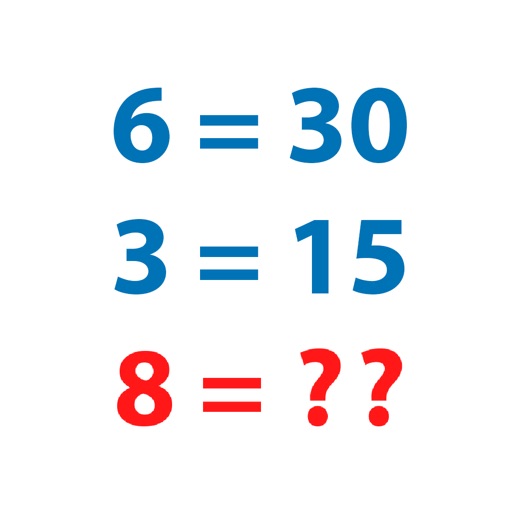
Allows users to practice addition, subtraction, multiplication, and . Select a section for targeted training. Customize question ranges and settings for personalized practice.
The app helps children practice minimal pair contrasts with a playful black lab puppy. Children can work to reduce phonological processes while viewing engaging pictures and comparing recordings.