The app offers over 1800 Anatomy Multiple True False Questions divided into 8 categories. Each question presents 5 answers, and users can achieve a score of up to 5 points per question.
by Andrew WHITAKER★ 0.00 ratingsMedical$6.99Data updated 2026-10-13
Learn musculoskeletal anatomy with interactive flashcards, quizzes, and detailed diagrams. Explore 3D models of bones and muscles. Annotate and highlight key structures. Test knowledge with multiple-choice questions and progress tracking.
Access a comprehensive question bank with 40k+ high-yield multiple-choice questions and flashcards. Review detailed explanations for each answer. Track progress and performance metrics. Prepare for popular exams with -specific content.
Explore 3D anatomical models with interactive rotation and labeling. View detailed cross-sections and layers. Access structured learning modules and quizzes. Save custom study notes and share annotations.
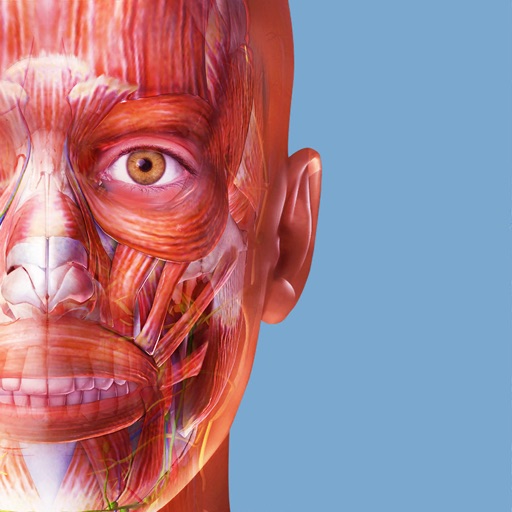
View 3D rotational models of human . Watch muscle action movies. Access 1247 Gray's images. Highlight muscles with a tool. Display Latin names and full descriptions. Available in English, French, Spanish, and German.
Explore musculoskeletal with interactive flash cards featuring 144 muscles, 61 bones, 50 joints, and 64 movements. Pin locations for muscles, bones, and landmarks. Navigate through detailed anatomical structures for study or client education.
The app provides a detailed guide to musculoskeletal structure, function, and common injuries. It features thousands of 3D models for visualization and learning about anatomy, movement, and pathologies.
Review exam topics with material on hemodynamics, anatomy, and medical terminology. Access images of angiograms and waveforms. Take hundreds of questions on cardiology subjects. Track progress and review answers for each question.
Explore 3D models of the skeletal system and other anatomical structures. Rotate, zoom, and view detailed textures up to 4K resolution. Access free content with in- purchases unlocking additional materials.
Prepare for the ATI with practice questions, study guides, and an simulator. Track progress with adaptive questions that adjust to performance. Create personalized learning plans. Set goals and review weak areas.
Test knowledge of and with multiple-choice quizzes. Review detailed explanations for each answer. Track progress through various topics including muscles, bones, and body systems. Play challenging games to reinforce learning.
Study for the State Board of Technology with practice questions and detailed explanations. Review topics like infection control, anatomy, and service procedures. Track progress and revisit difficult questions for better preparation.
For the 2025 CNA exam with 600+ questions and smart analytics. Review answers, track progress, and identify weak areas. Access content offline. Set study goals and receive feedback to improve performance.
Students answer formative assessments with multiple choice, true/false, open-ended questions, and polls. They join classes using a teacher's code without needing accounts. Teachers view real-time responses and class-wide results.
Physical therapist assistants and students can assess their knowledge with daily multiple-choice questions. Each question includes explanations for correct and incorrect answers. Users can track performance over time and compare results with others.
Prepare for the HESI A2 with 900+ practice questions and mock tests. Access AI-driven analysis to identify weak areas. Track progress and review detailed explanations for each question.
Explore detailed 3D human models with over 11,000 anatomical structures. Study skeletal, muscular, and vascular systems. Use AI-assisted flashcards, study notes, and expert videos. Annotate and label structures. Save and share notes.
Explore 3D human models with interactive rotation and zoom. Remove layers to view internal structures. Take 3D quizzes to test knowledge. Toggle visibility of systems.
Access detailed human anatomy images for study and reference. Explore over 26,000 medical images with interactive 3D views. Search for specific anatomical structures. Annotate and bookmark images for later review.