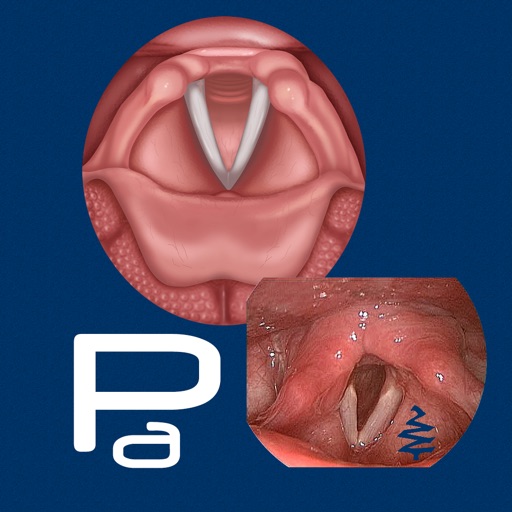
The app presents normal, bolus loss, dysphagia, and nasal regurgitation views of oral swallowing disorders. Animated illustrations and videos aid learning for students and patients.
by Blue Tree Publishing, Inc.★ 0.00 ratingsEducation$4.99Data updated 2026-10-11
Evaluate risk using a 26-question screening . Answer questions about attitudes, feelings, and behaviors related to . Receive results indicating potential risk for Anorexia nervosa, Bulimia nervosa, Binge , or ED-NOS.
Use to evaluate neurological, otological, or opthalmological disorders. Initiate movement by tapping the screen to adjust strip speed. Toggle strip color between red and black via the bottom toolbar. Zoom or pinch to adjust view.
The app provides healthcare practitioners and students with clear explanations for medical conditions. It covers etiology, pathophysiology, and options for evaluation and treatment, with thousands of topics written by physicians.
Explore 3D human models with interactive rotation and zoom. Perform virtual dissections to reveal layers and structures. Watch over 100 muscle action movies and physiology animations. Use audio pronunciation for anatomical terms.
The app presents videos of vocal fold pathologies including bilateral paralysis, paresis, and superior nerve issues. It includes audio clips of patients reading and animated illustrations for learning.
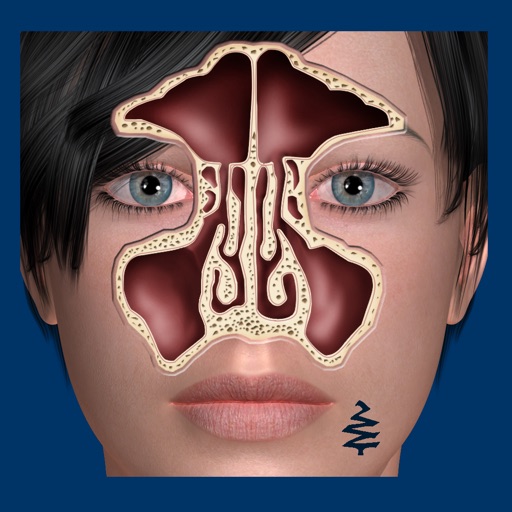
Learn about anatomy with detailed 3D views from front, side, and top angles. Explore animations showing normal and abnormal mucus flow. Identify structures like turbinates, deviated septum, and polyps.
View detailed anatomical structures of the brain, neck, thorax, heart, abdomen, pelvis, and extremities. Access multi-planar reformatting views including coronal sections. Navigate through layered imaging data for precise diagnostic analysis.
The app displays full-color images and animation of the outer, middle, and inner ear anatomy. It includes a video of a real eardrum and interactive features for learning and teaching.
The app presents videos of vocal pathologies including small, medium, large, and hemorrhagic polyps. It includes audio clips of patients reading the rainbow passage to demonstrate the effect of each disorder on vocal fold function.
The app presents videos and audio clips for vocal pathologies including contact ulcer, granulomas, leukoplakia, and LPRD. It includes normal vocal fold illustrations and videos for comparison, with controls for playback and zoom.
Access clinical for . Search for conditions and treatments. View evidence-based recommendations. Download printable resources. Track patient cases and notes. Sync with electronic health records. Set personal learning goals.
Choose a character to sit in the dental chair and perform treatments. Clean teeth, apply fillings, and repair broken teeth using various dental tools. Track progress and learn about dental care through interactive gameplay.
Share workspace with students using screen mirroring on Zoom, Google Meet, and Microsoft Teams. Capture and display documents, whiteboard notes, or physical objects. Adjust brightness, contrast, and focus. Annotate live video feeds.
Learn fold anatomy with interactive full-color images and animations. Explore structures like , muscles, and larynx views. Zoom in on and view flex and rigid scope perspectives. Tap to highlight parts and see their names and descriptions.
Access detailed anatomical illustrations with clinical context. View 3D models and cross-sectional views. Annotate images and save notes. Share content with patients or colleagues. Unlock full features via in- purchase.
Assess a child's risk for Spectrum Disorder using a validated screening questionnaire. Identify difficulties in social interaction, empathy, communication, and flexible behavior. Provide guidance on seeking professional help and early intervention.
The app provides access to dental benefits, including a virtual ID card, claims status, and plan details. It also features a dentist search tool, oral health tips, and an emergency dental guide.