Explore detailed 3D anatomical models of the . Rotate, zoom, and dissect virtual layers to view internal structures. Access labeled diagrams and cross-sectional views. Share annotated images and models with healthcare providers or patients.
by iSO-FORM, LLC★ 0.00 ratingsMedicalFreeData updated 2026-09-06
Learn about solid organ transplants through interactive storytelling and engaging visuals. Explore the transplant process with step-by-step explanations. Choose between "read to me" or "read by myself" options. Select from multicultural avatars.
Provides educational content about pancreatic cancer, including patient journey guidance from referral to treatment. Offers symptom management tips and support resources for patients and caregivers.
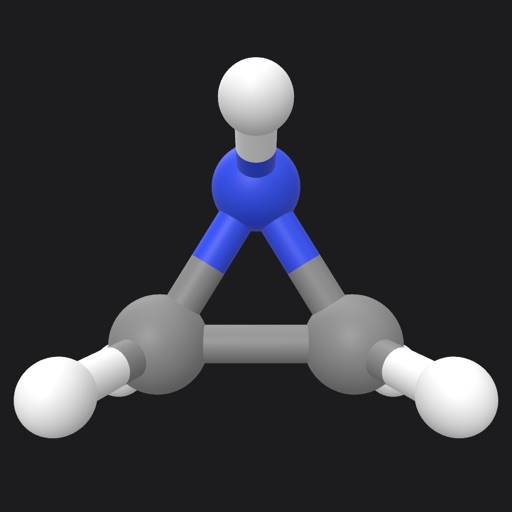
Explore 3D molecular structures of proteins, RNA, and DNA with real scientific data. Rotate and zoom models to examine their detailed features. Learn about protein evolution and their specific shapes adapted for function.
Study for exams with 6600 flashcards. Access materials offline. Listen to audio notes while driving or riding. Sort flashcards by topic. Search by keywords. Choose from five study modes. View detailed explanations for each card.
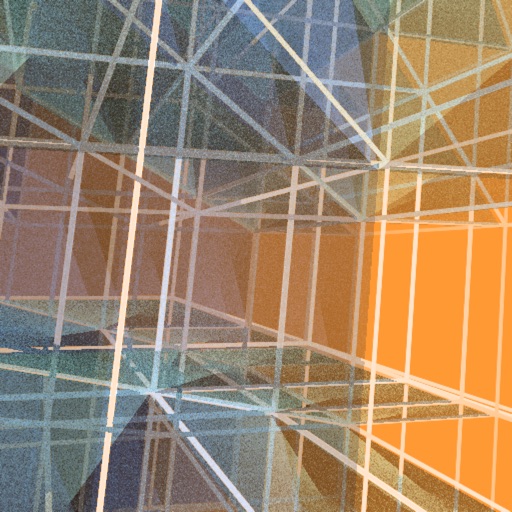
Explore a dynamic, interactive environment where body gestures shape the surrounding . Navigate through a grid of tesseracts. Adjust spatial structures with movement. View a continuously evolving 3D world.
3D molecular structures in Anaglyph, Side by Side, and Mirror separated stereoscopic modes. Explore like adrenaline, cocaine, and amino acids. Rotate, zoom, and analyze spatial arrangements for education.
Assess surgical positioning of acetabular cups during hip replacement. Provide real-time feedback on cup placement accuracy. Guide implantation within safe zones to reduce complication risks.
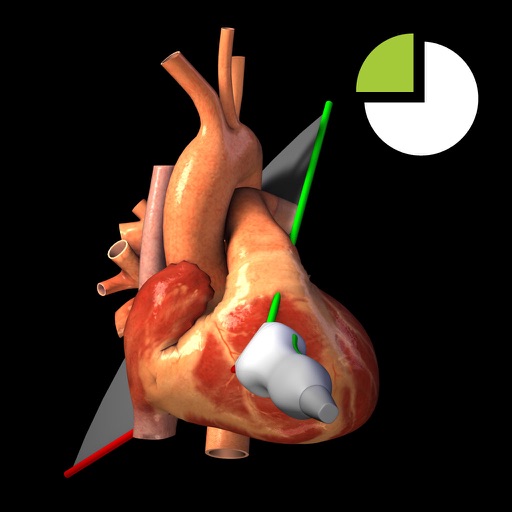
Users can view TTE recordings for 20 cardiac and interact with corresponding 3D heart models. Rotate and adjust 3D models to visualize cardiac structures. Annotate and compare images with reference guidelines.
Visualize molecules and proteins using . Place 3D models in real-world environments without markers. Access structures from PubChem and Protein Data Bank. Draw chemical formulas and view them in AR.
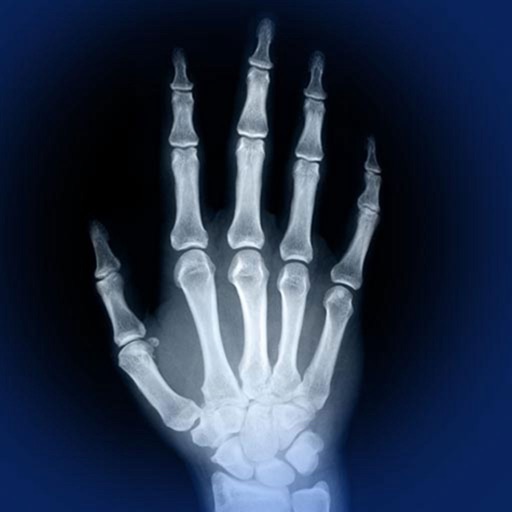
Explore 3D models and diagrams. Test knowledge with a randomized quiz featuring 140 bones and landmarks. Use audio for pronunciation guidance. View real bone images and system videos. Access nine 3D models and twelve diagrams for detailed study.