
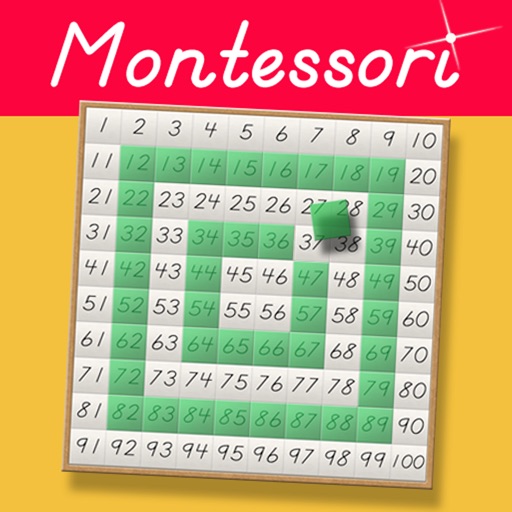
Apps Like 100 Board Counting Patterns for iPhone and iPad
Numbers and Patterns go hand in hand.
The app helps children ages 3-6 visualize number sequencing through interactive activities. It allows users to assemble patterns by identifying numbers as they are heard aloud, reinforcing number identification and sequence skills.
100 Board Counting Patterns screenshots
Ranked alternatives
Showing 981–1000 of 1,000 ranked alternatives.

Kanji 100
Takeshi Goto
Learn one hundred Japanese kanji
The app includes one hundred Japanese kanji characters divided into ten groups. Users can view the meaning, pronunciation, and drawing of each kanji.


Kingdom of Patronia
Jan Essig
Play games, learn skills, explore worlds
Kids play 8 progressively challenging games focused on matching and pattern recognition. Activities include sorting, sequencing, and memory challenges. Track progress over time and unlock new levels as skills improve.


Lehrer Lämpel: Subtraction
Claus Zinn
Practice multi-column subtraction skills easily.
This educational app helps primary school children practice multi-column subtraction. It supports the Equal Additions and Decomposition methods with drag-and-drop functionality and immediate feedback on steps.



PataPata Bird! - simple brain training, flappy puzzle game
TAKASHI TOKUDA
Tap numbers to guide the bird.
The app presents a game where users tap numbers displayed on buttons. The objective is to move a bird to an apple by tapping the correct number sequence.


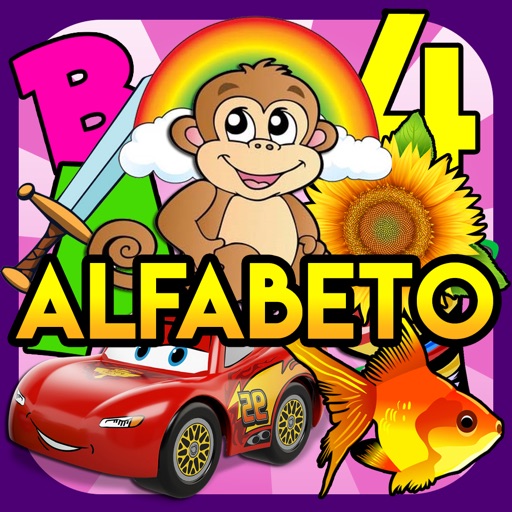
Italian Alphabet
TopOfStack Software Limited
Learn letters, numbers, and sounds
Teach children to recognize and write letters and numbers. Include audio pronunciation, visual examples, and interactive games. Allow users to track progress and repeat lessons for reinforcement.

AR-SOLAR
Batzorig Nyamdeleg
Assemble puzzles to learn languages
Augmented Reality Puzzle allows users to assemble 3D solar system models. Users can explore planetary positions and features through interactive .


How we rank alternatives
Apps are ranked by functional similarity, category fit, rating confidence, and popularity.