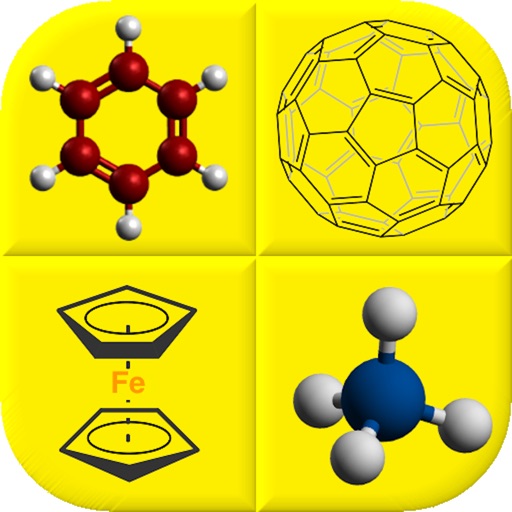
Draw chemical structures and send data via email. Open structures from email or web. Create images or Word documents with embedded graphics. Calculate properties and search public databases by structure or name.
by Molecular Materials Informatics, Inc.★ 4.718 ratingsProductivityFreeData updated 2026-09-06
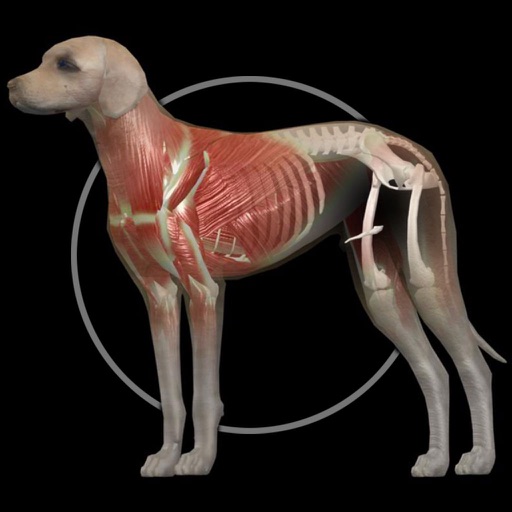
The app provides a detailed guide to musculoskeletal structure, function, and common injuries. It features thousands of 3D models for visualization and learning about anatomy, movement, and pathologies.
Build and view molecules in 3D. Visualize orbitals and symmetry elements. Look up chemical information and properties from external databases. Access computational chemistry programs. Perform molecular modeling and analysis.
Record reactions, track stoichiometry, calculate interconversions, display
Record multistep chemical reactions with molecular structures, names, and stoichiometry. Input quantities for automatic interconversion calculations. Display chemistry metrics and reaction details.
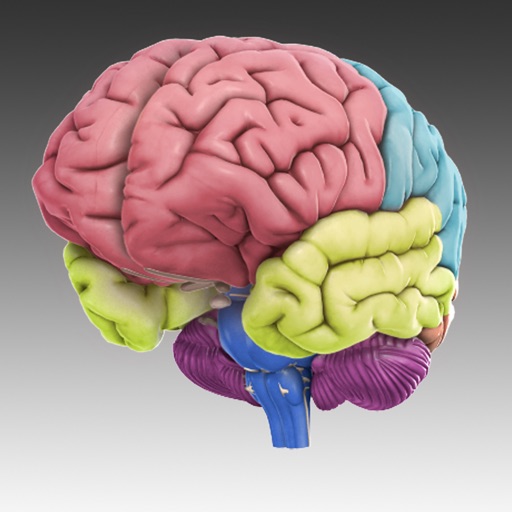
The app displays 29 interactive brain structures that users can rotate and zoom. It provides information on functions, disorders, brain damage, case studies, and research links for each structure.
Open .dat and MSG files directly from email. Convert and view content from Microsoft Outlook emails. Support for XPS files as well. Share converted content via email or cloud services.
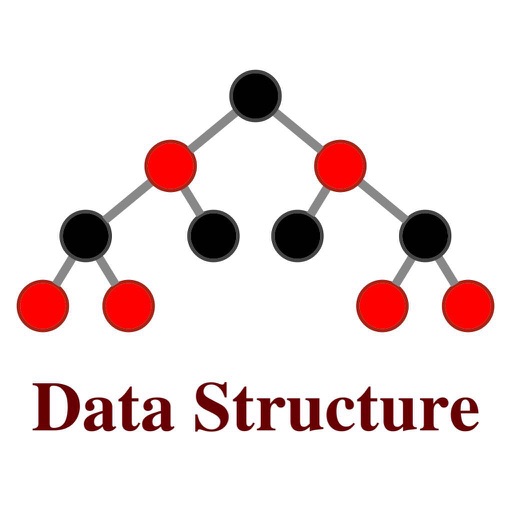
Learn linear structures like arrays, linked lists, queues, and stacks. Explore tree structures including binary trees and binary search trees. Dynamically debug structures and visually observe changes during operations.
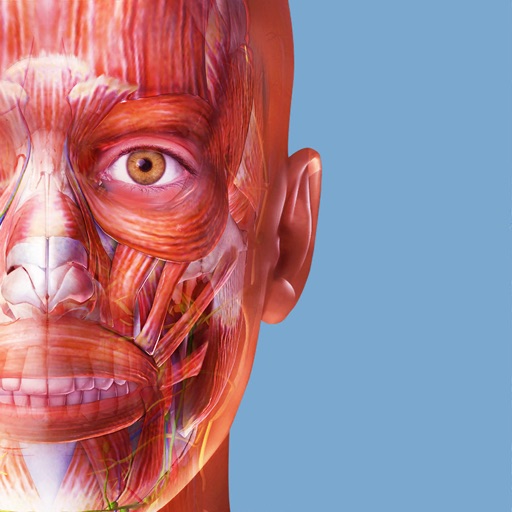
Explore 3D human models with interactive rotation and zoom. Perform virtual dissections to reveal layers and structures. Watch over 100 muscle action movies and physiology animations. Use audio pronunciation for anatomical terms.
Retrieve anatomical structures and clinical data instantly
Explore anatomical structures and clinical details with instant retrieval. Search over 1000 anatomical items including ligaments, tendons, arteries, and organs. Browse by system layers such as skin, skeletal, and circulatory.
The app contains over a thousand chemical structures and names of small molecule drugs approved by the US Food & Drug Administration (FDA). The detail view allows viewing of a 3D conformation as well as tautomers.
Explore anatomical structures with 3D models. Rotate, slice, and zoom to view layers. Tap labels for descriptions, audio pronunciation, and close-ups. Quiz yourself or create custom quizzes on anatomy sections.
Explore detailed 3D human models with over 11,000 anatomical structures. Study skeletal, muscular, and vascular systems. Use AI-assisted flashcards, study notes, and expert videos. Annotate and label structures. Save and share notes.
Learn anatomical structures through interactive modes. Choose It mode highlights structures for identification with multiple-choice questions. Touch It mode requires locating and touching specific structures on anatomical images.
Learn with spelling quizzes and structure visuals. Identify formulas, names, and classifications. Explore organic, inorganic, and organometallic compounds. Choose between easy and hard difficulty levels.
Explore 3D human anatomy models with interactive touch controls. Rotate and zoom for detailed views. Perform virtual dissections to reveal muscle layers and anatomical structures. Take 3D location quizzes to test knowledge.
Predict NMR spectra by drawing molecular structures. Adjust structures to instantly recalculate spectra. Store and sync predicted results across iOS devices and Mac. Email PDF reports. Zoom in on spectra and structures. Display chemical shift values.
Manage tasks, lists, notes, habits, moods, and expenses with AI assistance. Create and break down tasks via voice. Generate project structures with AI. Set reminders and track progress. Sync data across devices.
Test your knowledge of chemical by guessing their names or atomic numbers. Learn element symbols, categories, and properties. Track progress and challenge yourself with increasing difficulty levels.