Apps Like Build a Body: Biology Systems for iPhone and iPad
Body and master anatomy
Explore the human body by building organ , including male and female anatomy. Create different cell types and assemble the skeleton. Learn about animal and plant anatomy. Play against others or in class. Track progress and climb leaderboards.
by INVIVO Communications Inc.★ 4.317 ratingsEducationFreeData updated 2026-09-08
View 3D models of human and pathologies. Rotate, zoom, and examine structures from any angle. Explore detailed digestive system models and rare diseases. Access medically accurate information for learning and reference.
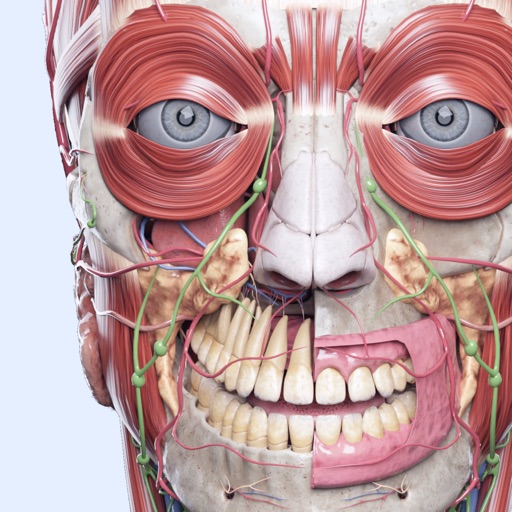
View 3D rotational models of human . Watch muscle action movies. Access 1247 Gray's images. Highlight muscles with a tool. Display Latin names and full descriptions. Available in English, French, Spanish, and German.
Learn musculoskeletal anatomy with interactive flashcards, quizzes, and detailed diagrams. Explore 3D models of bones and muscles. Annotate and highlight key structures. Test knowledge with multiple-choice questions and progress tracking.
For exams with video lessons, multiple-choice quizzes, and spaced repetition questions. Access free content including daily quizzes and popular videos. Subscribe for unlimited access to all materials.
Teach math, language, science, and critical thinking through interactive and lessons. Includes 24 curriculum-aligned activities for - students. Track progress and reinforce with engaging exercises.
Explore detailed 3D models of male and female . Rotate, zoom, and dissect layers to view internal structures. Access content aligned with Next Generation Science Standards. Use teacher's guides and classroom tips for instructional support.
Retrieve anatomical structures and clinical data instantly
Explore anatomical structures and clinical details with instant retrieval. Search over 1000 anatomical items including ligaments, tendons, arteries, and organs. Browse by system layers such as skin, skeletal, and circulatory.
Learn to with step-by-step tutorials covering gesture, anatomy, facial expressions, and techniques. Practice with different tools and styles. Track progress and revisit lessons for improvement.
Learn cardiac anatomy and auscultation techniques through interactive lessons. Practice identifying heart sounds and murmurs with phonocardiograms. Study ECGs and arrhythmias with detailed explanations. Track progress with quizzes and feedback.