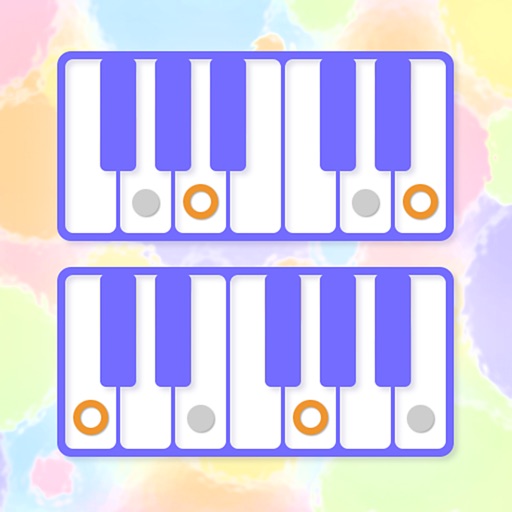
The app provides dual keyboards with piano sound and features like Key-Marks and Keyboard-Sync for teaching music. Users can control keyboard rotation, size, and range selection with on-screen instructions.
by Patrick Chan★ 5.01 ratingsMusicFreeData updated 2026-09-20
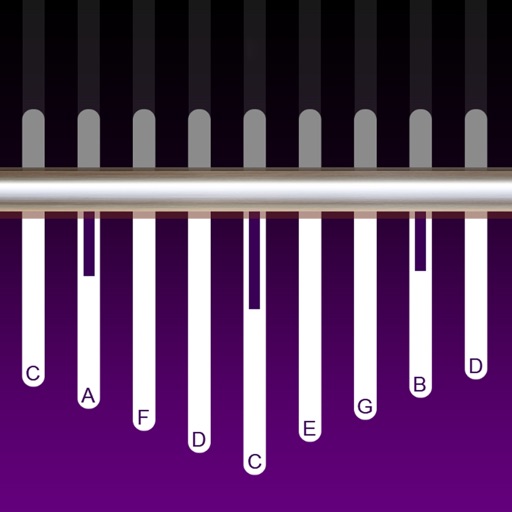
Play virtual with 17 keys and full string connectivity. Access preloaded songs and lessons. Learn chords and riffs with guided tutorials. Add new tabs weekly. Export performances and share directly.
Play using a realistic virtual instrument modeled after the 275 Titanium Grand . Adjust touch sensitivity, select from multiple samples, and customize sound settings. Save and share performances directly.
Create and edit music with virtual instruments and audio effects. Record and arrange compositions. Export tracks in various formats. Share finished songs directly. Import audio files for integration.
The app provides 88 keys for playing music on the iPhone and iPad. It features 91 instruments, including organs, pianos, guitars, and synths, with options for duet mode and key labels.
Control MIDI-enabled synths and keyboards via modulation wheels and pitch ribbons. Adjust pitch and modulation parameters in real time. Supports vintage synth interfaces and organ keyboards with synth sounds.
The app offers over 200 songs across 7 collections, including classical melodies, national anthems, and movie themes. Songs are available in various difficulty levels suitable for different players.
The app offers a monophonic synthesizer with a 1-octave keyboard and dual oscillators. It includes a volume envelope shaper and a low pass filter with adjustable cutoff and resonance.
Play with a simulated synth that detunes as battery depletes. Access a free songbook for classic and modern melodies. Learn to play through step-by-step instructions and additional song downloads.
Learn music notation, fingerings, and rhythms through interactive exercises. Practice note identification and timing under a countdown. Track progress with belt tests and receive feedback on accuracy and speed.
Practice ear with exercises on intervals, chords, scales, and melodies. Select intervals within two octaves and activate backing chords for practice. Identify and repeat musical notes and patterns to improve listening skills.