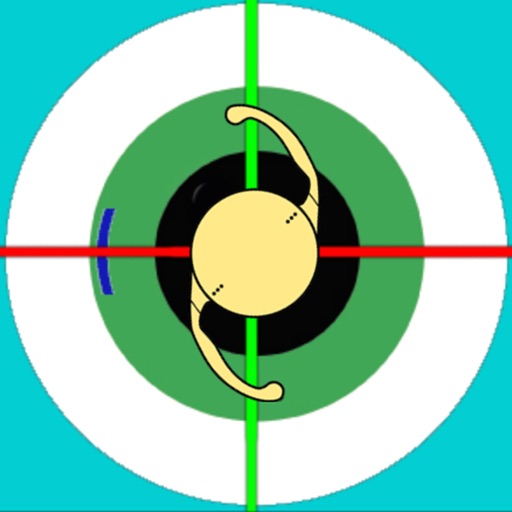
The app allows users to dynamically change wound position to see the effect on lens power and placement. It is possible to change predicted lens power and axis placement and see the effects on postop astigmatism.
by Steve Colley★ 3.25 ratingsMedicalFreeData updated 2026-09-20
Learn through simplified explanations and real-life examples. Access sample content for free; purchase to unlock full material. Track progress with interactive lessons and quizzes. View illustrated guides and definitions for key concepts.
RSS Feed allows users to access and read the latest rehabilitation journals automatically. Stopwatch tracks minimum, maximum, and average times from multiple recordings. Inclinometer measures tilt angles for precise posture and movement analysis.
Healthcare clinicians can capture and securely upload patient clinical multimedia, including photos and video. Files are automatically sent to a secure clinical software solution with full audit trails.
Reference radiographic positions and technical factors
Provides detailed guidance for over 200 radiographic positions. Includes technical factors, image receptor details, patient positioning, respiration instructions, central ray angles, image quality tips, and structures demonstrated.
Physicians can assess wounds instantly through secure messaging. Share patient details and images for expert evaluation. Collaborate on treatment plans while maintaining HIPAA compliance. Streamline triage processes to improve patient care.
The app records heart rhythm using the iPhone camera to assess stroke risk. It helps identify irregular heartbeats, a common cause of cardiogenic cerebral embolism, and calculates risk scores.
Study materials include practice exams, flashcards, and detailed guides covering topics. Users can review content, track progress, and simulate conditions to prepare for certification.
Access protocols, medication info, and calculators
Access protocols for ALS, BLS, CCT, and AEMT. View interactive guidelines and link to medication details, calculators, and related resources. Retrieve decision support tools for emergency scenarios. Share protocols with team members.
Review EKG strips with detailed explanations and identify key characteristics. Take interactive quizzes to test knowledge on EKG basics and strip interpretation. Practice "Name That Strip" to improve recognition skills.